Recipes

Cherry Tomato Soup

We had a massive glut of cherry tomatoes in the garden this year, so I thought I’d use them for a nice, light soup! You can actually use any tomatoes you like but cherry ones do lend a lovely sweetness.

I used almost all of ours – which was around 1.5kg but you can use fewer – just reduce the other ingredients to compensate. This makes at least 6-8 bowls and it’s ridiculously low calorie – under 100 cals per bowl!

You will need:

1.5kg Cherry Tomatoes

1 large onion

2 Carrots

2 Sticks of Celery

3 tbsp Tomato Purée

1 litre vegetable stock (2 stock cubes)

1 tsp oregano or mixed herbs (to taste)

1/2 tsp Celery Salt

Dash of Worcestershire sauce (or vegetarian alternative)

I/2 tsp sugar

Salt and Pepper

Chop the onion, carrot and celery into small pieces. Depending on the size of the tomatoes cut them into halves or quarters.
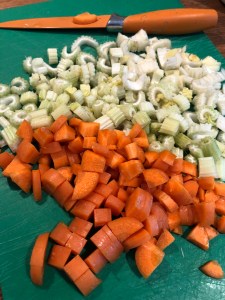
Add some oil or oil spray to a large saucepan and once hot add the onions, celery and carrots. Sauté them for around ten minutes until soft and slightly coloured.

Add the tomato purée and stir well

Add the tomatoes, together with the sugar and herbs and spices. Stir to mix everything, then put the lid on the pan and let the tomatoes cook on a low heat for around ten mins. Check occasionally and stir to prevent sticking.
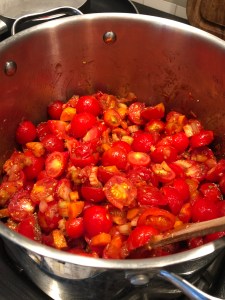
Once the tomatoes have started to release their juices after around ten mins, add the stock and Worcestershire sauce if using. Turn up the heat as high as it will go and wait until everything is bubbling, then turn the heat down to low again and put the lid back on the pan. Cook gently for 25 minutes, stirring occasionally.

Depending how much liquid the tomatoes produced you may want to keep boiling a little longer to reduce it down – you can decide how thick you want your soup. (You can also add a little cornflour – mix a couple of tbsp in a bowl with cold water and then whisk that into the soup to thicken it).
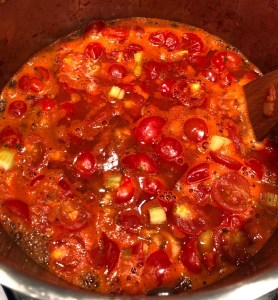
You can leave it as it is if you want but I prefer to blend it. Wait for it to cool a little and then using a stick blender blend to the desired consistency. At this point you can also boil again to reduce it down if it’s still too thin for your taste.
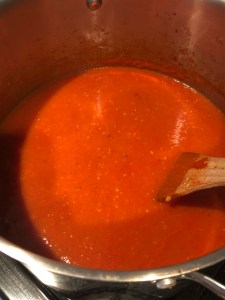
You can freeze this for quick lunches or dinners. Serve as it is with a crusty loaf, or you can add a dollop of greek yoghurt for added creaminess!

Enjoy 🙂

Xx

Nutrition and Calorie Tips

Why diets work…

Why diets work… 🥗

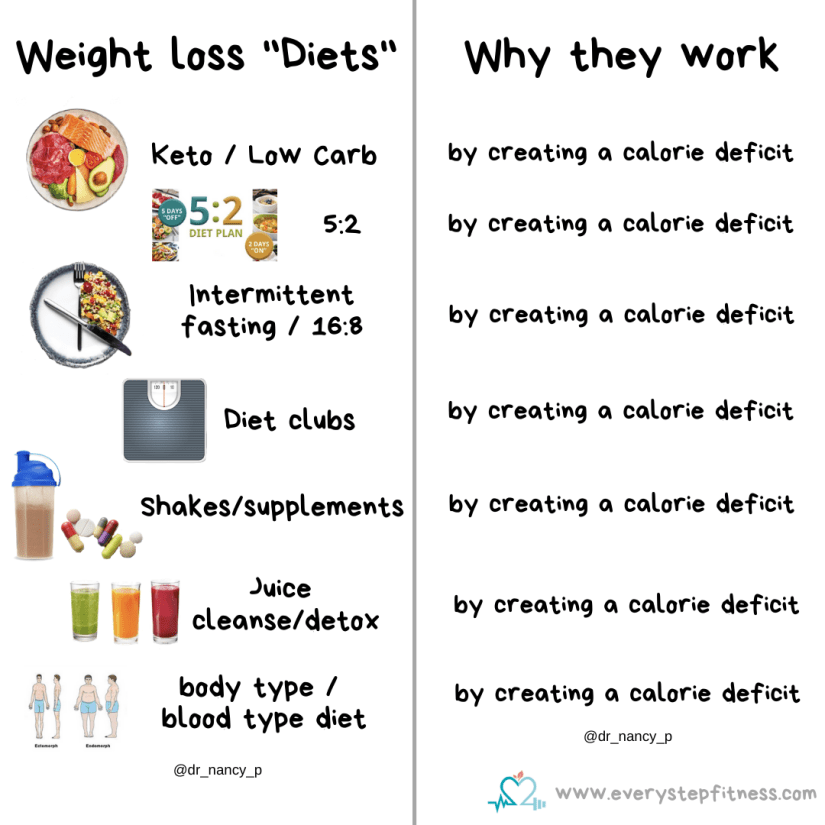
There are lots of diets out there that claim to be better than any other. But what do ALL these diets have in common? And why do they work?

It’s nothing to do with any special properties of specific diets. For ANY diet to work it has to result in a calorie deficit. For some people certain diets will enable them to achieve this more easily and therefore that diet will work for them. But behind these diets are the simple maths of calories in vs out. However the issue with many diets is that they don’t educate you on the mechanism behind them and are therefore short term fixes.

Keto / low carb : omits or reduces carbs, which may reduce calories.

5:2 : limits calorie intake for 2 days a week, which may create a calorie deficit on average.

Intermittent fasting/ 16:8 : restricts the window of time you can eat in, which MAY reduce calories.

Diet clubs : assign points or values to certain foods and restrict food types, so MAY reduce calories

Shakes / Supplements : replaces meals or promotes excessive bowel movements etc which result in water loss, and a possible calorie deficit from meal replacement.

Juice cleanse/ detox : replaces whole foods with juices, resulting in fewer calories and rapid initial water loss.

Body type/blood type diet : restricts foods based on blood or body type, which may result in a calorie deficit

Spot the similarities? Many involve omitting food groups which will result in a calorie deficit. Calories can’t tell the time so methods involving not eating on certain days/times only work if you don’t overeat on others. Diet clubs help with accountability (regular weigh ins and rewards) but hide calories behind points or labels which lock you in to their method.

All of these diets can result in fat loss, but how many of them are sustainable long term, educate you on managing energy intake or build new habits? Some are actually damaging; laxative supplements and fasting can cause bowel damage, kidney damage and development of silent acid reflux etc, as well as promoting disordered eating.

So it doesn’t matter which ‘diet’ you choose, as long as it works for you – but make sure you understand WHY it works 🙂

xx

Nutrition and Calorie Tips

‘Just a savoury snack…’ 😬

‘Just a savoury snack…’ 😬

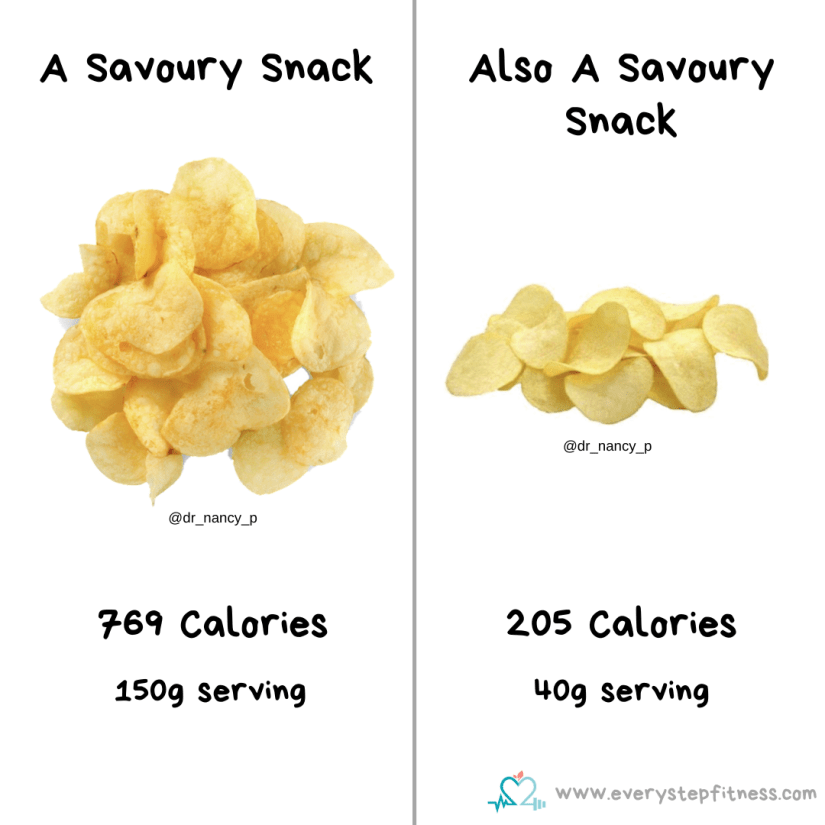
Sometimes you just can’t beat a savoury snack and crisps often fit the bill. There is absolutely nothing wrong with this. People often wrongly assume that to lose weight they need to stop snacking completely. Trying to completely cut out snacks is usually totally counter productive and unsustainable long term.

Snacks are no different to your main meals – they’re just a label for smaller portions of food. It doesn’t matter if you have 3 meals and no snacks, 4 meals and 3 snacks, 1 meal and 6 snacks a day… as long as the total calories are below your daily expenditure (and therefore you are in a calorie deficit). The problem arises though when those snacks aren’t smaller portions at all.

Crisps are a great example of a savoury snack that often becomes more than a snack. It’s very easy to eat well over 700 cals in one sitting without even realising it. However a smaller portion of 40g which is still a decent amount of crisps is much more manageable within your daily calories.

So rather than trying to ‘cut all snacks’ instead work on moderation – try to keep those ‘snacks’ as actual snack-sized portions and most importantly be aware of the actual quantities you’re eating and fit them into your diet accordingly.

Enjoy 🤗 xx

Nutrition and Calorie Tips

“But I need to have a protein shake to get enough protein…”

“But I need to have a protein shake to get enough protein…” 🥤

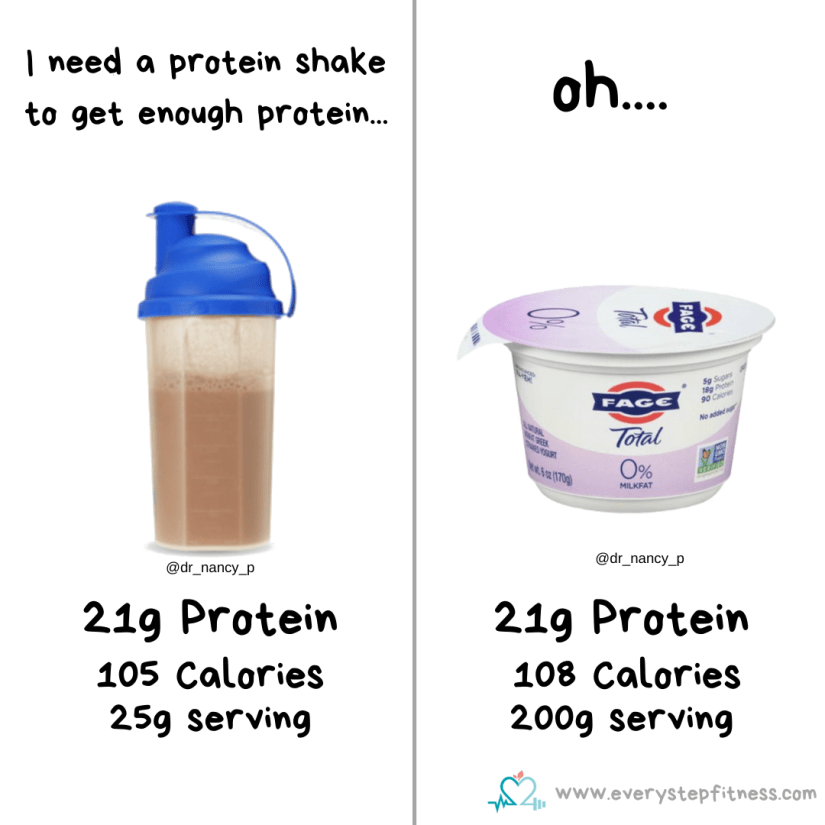
I’ve talked about whether you really need protein shakes or not before. There’s often an assumption that to get “enough” protein when you’re working out that you need to start having protein shakes. I’ve spoken about these before but this is a nice illustration of why they’re not really necessary for most people unless you actually want to have them.

Protein itself is essential, especially for maintaining and building muscle, so it helps with recovery and is also great at keeping you feeling full. But most people’s diet includes more than enough protein as it is and it’s pretty easy for most people to eat the required amount, with no shakes or powders required. Unless you’re an olympic athlete or a serious body builder you won’t need to be taking in excessive amounts of protein anyway. If you do however want to have a protein-rich snack or meal then a great option is 0% greek yoghurt – same calories as a generic protein powder serving and actually has more protein! And for many people it’s a nicer option than a shake. And it’s real food which is also an added bonus (plus it’s delicious with fresh fruit).

So if you don’t fancy protein shakes you definitely don’t need them! If you like them and they’re a handy way to get a snack in then go for it though! Just don’t believe the marketing hype!

Enjoy 🤗 xx

Nutrition and Calorie Tips

‘I’ve switched to dark chocolate because it’s healthier ’…..

‘I’ve switched to dark chocolate because it’s healthier ’….. 🍫

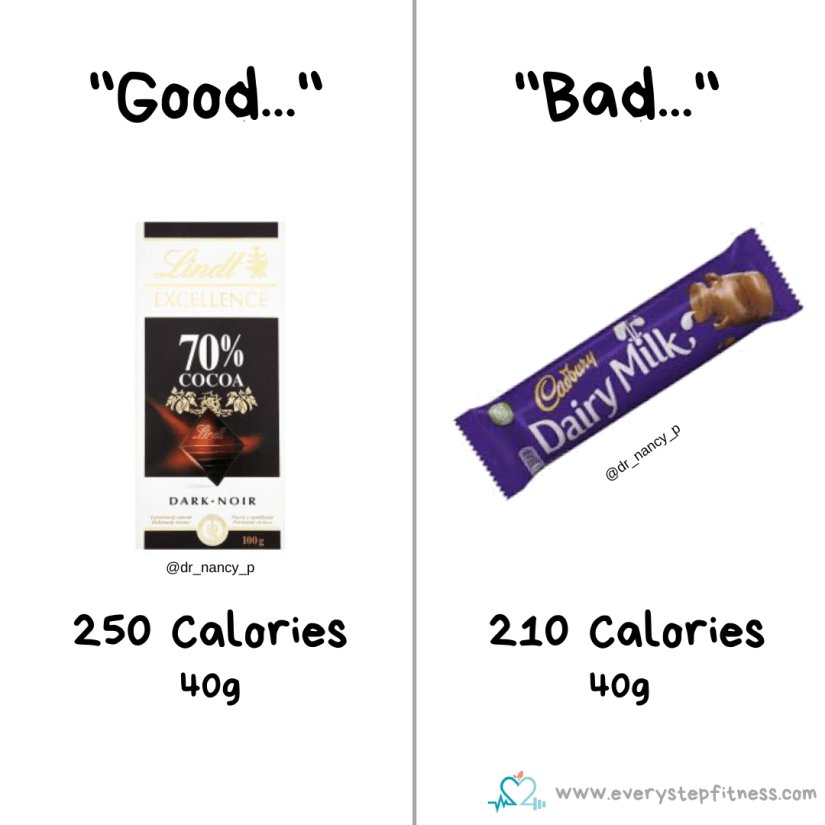
Dark chocolate is better than milk chocolate because it’s healthier right? So it must be better for weight loss right? Maybe not! There is some merit to choosing dark chocolate over other types in terms of some minor nutritional benefits. Dark chocolate provides more antioxidants, whilst tending to contain less sugar, but when it comes to calories you’re often taking on far more than you would have with a typical ‘unhealthy’ chocolate bar. And let’s be honest – even dark chocolate is still a treat so if that’s you’re main source of antioxidants then you probably need to rethink your diet.

Chocolate is not a ‘healthy’ food, but neither is it an ‘unhealthy’ food – it’s just a food to be enjoyed in moderation. As you can see the calories in dairy milk are actually lower than the same quantity of Lindt dark chocolate. So if you love dark chocolate – great! Have it. If you love milk chocolate – have it! If you’re trying to lose fat just ensure you factor it in to your calories and you’ll be fine. But if you’re tucking in to dark chocolate thinking it’s healthy and not even considering the calories it contains you may want to think again.

And if you’re eating it when you don’t like it just because it’s ‘healthy’ then don’t bother – if you want some chocolate have the type you want, in moderation as part of a balanced diet 🤗 🍫

Enjoy xx