Tuesday Tip

Tuesday Tip: Tackling Hunger

Tuesday Tip: Tackling Hunger 🍔

With the current lockdown many are finding it hard to manage their diet, and specifically their hunger.

So how can we try to manage this?

First off is it true hunger or emotional hunger? True hunger starts gradually, is satisfied by any food and will end when you’re full. In addition you’re less likely to feel guilty afterwards. Emotional hunger comes on suddenly, in a state of heightened emotion (e.g. stress or anxiety) or boredom. It typically involves craving specific foods, not being satisfied once full, eating mindlessly and feelings of guilt.

If it’s true hunger there are a few things you can do to help manage it. Studies have shown that higher protein meals reduce perceptions of hunger, particularly when combined with fats. Low calorie, high fibre foods are also important (fruit and veg); it increases “bulk”, causing stomach wall expansion, triggering the release of satiating hormones (fullness hormones). Another great option is low/zero calorie carbonated drinks which can help curb sugar cravings, and create that sensation of fullness. Caffeine is also an inhibitor of hunger in small amounts.


Emotional hunger is harder. Many foods give us “good feelings” but these foods are calorie dense and often high in sugar/saturated fat. They can provide temporary escape from boredom, low mood, stress etc but can leave us feeling worse and promote a negative relationship with food. We eat because we feel bad and we feel bad because we eat. Identifying the triggers/situations where you tend to emotionally eat is vital. Once you identify the triggers you can produce a list of replacement activities. Actually write out some alternatives and display them e.g. take 3 deep breaths, drink a big glass of water, play with your dog/cat, do some exercise/stretches. listen to music/podcast, do a 60 sec household chore, call a friend, adult colouring/jigsaw etc.

Be kind to yourself, the lack of stimulation, reduced human interaction and increased anxiety as a result of lockdown is natural. So if you are emotionally eating that’s ok – if you want to reduce it though then try these tips for starters.

Happy Tuesday 🤗

Xx

Nutrition and Calorie Tips

Low calorie or “normal” ice cream?

Low calorie or “normal” ice cream?….. 🍦

Here are two ice cream options – one is a low calorie, currently very popular ice cream stick – a halo top strawberry cheesecake one. The other is an oldie but a goodie and just a “normal” ice cream – the humble strawberry split.

Now anyone who knows me knows I’m a massive fan of the low calorie Halo top ice cream – not just because they’re low calorie but because they taste good. But it’s very easy for people to discount the “normal” strawberry split. So whilst these are obviously not directly comparable in flavour and texture etc they are very similar and serve a similar purpose – as a dessert or snack. One is marketed as low calorie, one isn’t.

I think it’s safe to assume that many of use would presume the halo top ice cream is the “healthier” option as it’s marketed as low calorie, and certainly the lower calorie option. In reality it’s not – the strawberry split is actually considerably fewer calories. So if you were tracking calories and trying to lose weight/bodyfat then the strawberry split would be a better choice. It does however have a bit more sugar than the Halo top – so if weight loss isn’t a goal but you want to go for a less sugary option then the halo top might be the better choice.

Overall the differences are relatlively small. Neither is a “healthier” option – it’s ice cream. Ice cream isn’t consumed to provide us with nutrients – it’s consumed because we enjoy it – so choose the one you enjoy most! However, as always, be aware of those calories – you may find some of your favourite ice creams aren’t actually as bad as you thought they were!

Now go and enjoy an ice cream

🤗

Xx

Nutrition

Good snack?….

Good snack?….. 🍫

I often hear people telling me they need to choose “better”snacks, or that they’ve swapped their usual chocolate for “good” snacks. So something like 30g cashew nuts is often perceived to be a “good” snack, whilst 30g of chocolate (Maltesers in this case) is considered to be a “bad” snack.

The key to being in control of your weight management is really understanding that there is no such thing as a “bad” or “good” snack – they’re just different. There are nutritional differences between the chocolate and the cashew nuts of course, but we don’t just choose food on the basis of it’s nutritional breakdown.

The cashew nuts are a great option for a snack. They provide healthy fats such (monounsaturated fatty acids) which help give healthy levels of HDL cholesterol (the “good” cholesterol). They also contain magnesium, iron, zinc and other micronutrients which support the immune system. They also provide some protein too so may keep you fuller for longer.

The chocolate provides you with energy, mainly in the form of sugar, and some fat. The chocolate also tastes good and for many people can give an emotional boost as well as an energy one.

Overall the calorie difference between the two is pretty marginal. So if you’re choosing the nuts in a effort to lose weight, then think again. If you’re choosing them because you like them then brilliant – keep having them. If you fancy some chocolate, then have that!

There are no good or bad foods – all foods can be accommodated within a balanced diet. Being aware of the calories in different foods empowers you to make that choice.

🤗

Xx

Tuesday Tip

Tuesday Tip: Eating too much in Lockdown

Tuesday Tip: Eating too much in Lockdown 😋

Home workouts and our allowed outdoor exercise are great but many of us are going to be far less active during lockdown and therefore worried about weight gain. This can lead to a cycle of feeling rubbish and eating rubbish etc. However with a few little tweaks you can make sure you come out the other side of lockdown feeling physically and emotionally better!

The most important thing is to eat to your current activity, not your ‘normal’ activity. But now is definitely NOT the time to try drastic fad diets, or to be cutting out food groups, so instead focus on these tips:

#1 Reduce portion size

This is the simplest thing to do. You don’t need to cut foods out, just eat smaller portions. Start by using a side plate instead of your usual dinner plate. Reducing portions will reduce cals without needing to think too much about it.

#2 Load up on veg and fruits

Fill your plate with vegetables. The higher amounts of fibre will help to keep you full, and of course the vitamins and minerals will help your immune system. Snack on fruit; a whole punnet of strawberries is only 100 cals or so, so load up! They’ll help quash any sweet cravings too – win win.

#3 Protein and fats

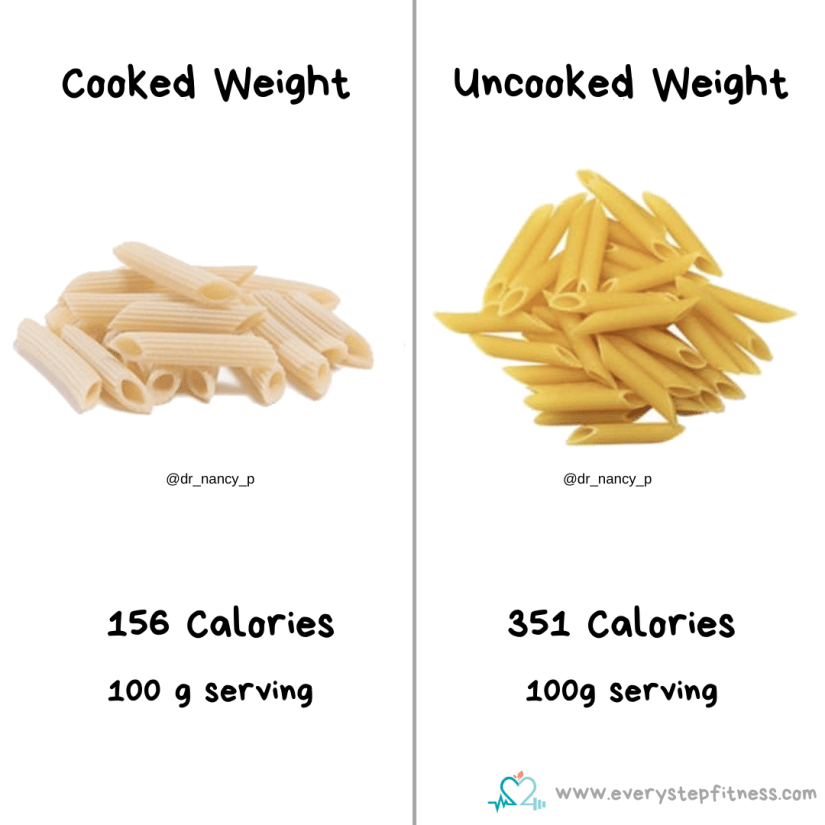
Make sure every meal contains protein and fats. Protein will help with muscle maintenance, and combined with fats will keep you fuller for longer. So half a plate of veg, and the remaining half split between protein (lean meat, fish or plant based proteins), fats and obviously some starchy carbs (pasta, rice etc).

#4 Water

Make sure you’re drinking enough. If you’re out of routine you may be drinking less than usual – double check you’re having 2-3 litres in a day.

#5 Think before you eat

This is the toughest one but try to ask yourself one question before you reach for that snack. Are you really hungry or just bored? If you’re used to dashing around and suddenly you’re not then you may be boredom snacking. Pop a post-it on your fridge posing that question, so you stop and think before you snack.

Hopefully these will help you stay on track.

Happy Tuesday 🤗

Xx

Tuesday Tip

Tuesday Tip: Losing fitness in lockdown?

Tuesday Tip: Losing fitness in lockdown? 🏃🏼‍♀️

I know a worry for many of you (me included) is losing your fitness during lockdown. Suddenly you’re not walking to the office/school run, you’re not able to get to the gym or classes etc. Well don’t panic – it’s not as bad as you may expect.

Studies show that muscle loss doesn’t occur until about 4 weeks BUT that’s only if you stop training completely! And even then it’s minor and happens in tiny increments each week. If you continue to workout even just with bodyweight workouts then you’ll preserve muscle mass, and post lock-down you’ll be back to normal within a few weeks. If you have no equipment then focus on full body circuits, increase intensity by adjusting the tempo, and increase the volume (number of reps) e.g. a 10 bodyweight move circuit repeated 5 times etc a few times a week.

Studies show that over 12 weeks there’s only a 16% reduction in aerobic fitness overall. If you can run or cycle then this will help, but even long fast paced walks will help. If you’re into cardio classes then you’re sorted as HIIT workouts lend themselves to small spaces. You can do your own little HIIT workout, but if you struggle to motivate yourself to work hard then there’s loads of free workouts online now – see my previous posts or ask me for links). Another fab way to replicate cardio workouts is with skipping – 2 mins a few times a day as a cardio blast!

Specific fitness losses will to a degree relate to your own training/exercise history, types of exercise you do (fitness is maintained for longer if you did a variety of types of exercise e.g. not just running, and genetic and lifestyle factors. However, if you’re a regular exerciser it will take longer to lose fitness as things like increased capillary density take much longer to disappear.

So basically – don’t fret! You’re going to be fine! I hope these tips help. If you want any specific advice then please ask, anytime.

Happy Tuesday 🤗

Xx