Recipes

Cherry Tomato Soup

We had a massive glut of cherry tomatoes in the garden this year, so I thought I’d use them for a nice, light soup! You can actually use any tomatoes you like but cherry ones do lend a lovely sweetness.

I used almost all of ours – which was around 1.5kg but you can use fewer – just reduce the other ingredients to compensate. This makes at least 6-8 bowls and it’s ridiculously low calorie – under 100 cals per bowl!

You will need:

1.5kg Cherry Tomatoes

1 large onion

2 Carrots

2 Sticks of Celery

3 tbsp Tomato Purée

1 litre vegetable stock (2 stock cubes)

1 tsp oregano or mixed herbs (to taste)

1/2 tsp Celery Salt

Dash of Worcestershire sauce (or vegetarian alternative)

I/2 tsp sugar

Salt and Pepper

Chop the onion, carrot and celery into small pieces. Depending on the size of the tomatoes cut them into halves or quarters.
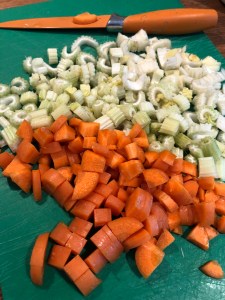
Add some oil or oil spray to a large saucepan and once hot add the onions, celery and carrots. Sauté them for around ten minutes until soft and slightly coloured.

Add the tomato purée and stir well

Add the tomatoes, together with the sugar and herbs and spices. Stir to mix everything, then put the lid on the pan and let the tomatoes cook on a low heat for around ten mins. Check occasionally and stir to prevent sticking.

Once the tomatoes have started to release their juices after around ten mins, add the stock and Worcestershire sauce if using. Turn up the heat as high as it will go and wait until everything is bubbling, then turn the heat down to low again and put the lid back on the pan. Cook gently for 25 minutes, stirring occasionally.

Depending how much liquid the tomatoes produced you may want to keep boiling a little longer to reduce it down – you can decide how thick you want your soup. (You can also add a little cornflour – mix a couple of tbsp in a bowl with cold water and then whisk that into the soup to thicken it).

You can leave it as it is if you want but I prefer to blend it. Wait for it to cool a little and then using a stick blender blend to the desired consistency. At this point you can also boil again to reduce it down if it’s still too thin for your taste.
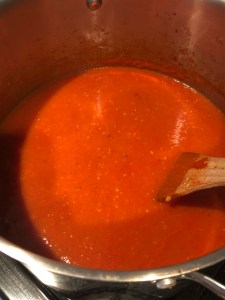
You can freeze this for quick lunches or dinners. Serve as it is with a crusty loaf, or you can add a dollop of greek yoghurt for added creaminess!

Enjoy 🙂

Xx

Nutrition and Calorie Tips

Why diets work…

Why diets work… 🥗

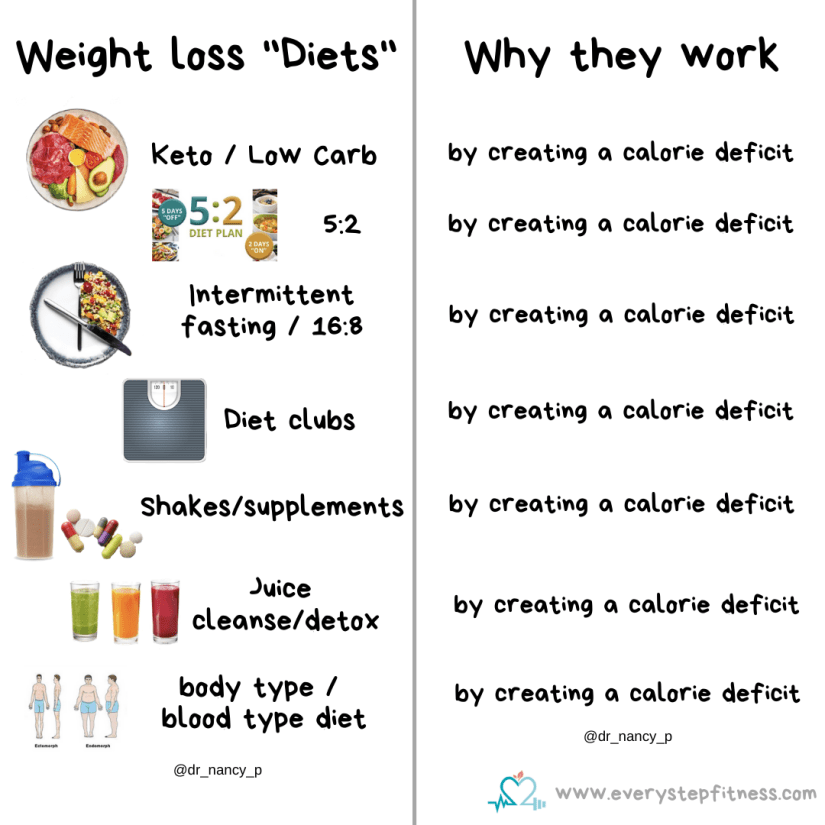
There are lots of diets out there that claim to be better than any other. But what do ALL these diets have in common? And why do they work?

It’s nothing to do with any special properties of specific diets. For ANY diet to work it has to result in a calorie deficit. For some people certain diets will enable them to achieve this more easily and therefore that diet will work for them. But behind these diets are the simple maths of calories in vs out. However the issue with many diets is that they don’t educate you on the mechanism behind them and are therefore short term fixes.

Keto / low carb : omits or reduces carbs, which may reduce calories.

5:2 : limits calorie intake for 2 days a week, which may create a calorie deficit on average.

Intermittent fasting/ 16:8 : restricts the window of time you can eat in, which MAY reduce calories.

Diet clubs : assign points or values to certain foods and restrict food types, so MAY reduce calories

Shakes / Supplements : replaces meals or promotes excessive bowel movements etc which result in water loss, and a possible calorie deficit from meal replacement.

Juice cleanse/ detox : replaces whole foods with juices, resulting in fewer calories and rapid initial water loss.

Body type/blood type diet : restricts foods based on blood or body type, which may result in a calorie deficit

Spot the similarities? Many involve omitting food groups which will result in a calorie deficit. Calories can’t tell the time so methods involving not eating on certain days/times only work if you don’t overeat on others. Diet clubs help with accountability (regular weigh ins and rewards) but hide calories behind points or labels which lock you in to their method.

All of these diets can result in fat loss, but how many of them are sustainable long term, educate you on managing energy intake or build new habits? Some are actually damaging; laxative supplements and fasting can cause bowel damage, kidney damage and development of silent acid reflux etc, as well as promoting disordered eating.

So it doesn’t matter which ‘diet’ you choose, as long as it works for you – but make sure you understand WHY it works 🙂

xx

Tuesday Tip

Tuesday Tip: Pre-workout coffee?

Tuesday Tip: Pre-workout coffee? ☕️

Coffee as a pre-workout is something that’s often recommended social media and fitness blogs but does it really help?

A recent study found that consuming even a small amount of caffeine before and during exercise can help people exercise almost a third longer. A study tested found that those who consumed caffeine whilst cycling were able to keep going for longer than those who drank water, delaying fatigue by up to 60%. The only drawback is that caffeine is also a diuretic, so it can cause dehydration. Other studies have however shown the dehydrating effect to be minimal and the consensus is that moderate consumption of caffeine is ok.

Other studies have shown that caffeine can trigger muscles to start using fat as an energy source, but this is only occurs when other energy sources are depleted. In endurance athletes for example, caffeine is used to get extra energy out of the body’s reserves during an event So in isolation it won’t magically burn body fat for you sadly.

Researchers have also found that caffeine can help reduce muscle pain. The study in The Journal of Pain found that caffeine (compared to a placebo) reduced thigh-muscle pain during exercise (which can mean being able to continue for longer) .

So overall caffeine does indeed enhance performance and makes it ‘easier’ to put in more effort during exercise. These effects are more noticeable during endurance exercise (over 90 mins). Caffeine also plays a role in helping contribute to clearer thinking and greater concentration. The effects are greater in those that rarely have caffeinated drinks as tolerance is built up, and the effect varies wildly from person to person.

So do you need to start necking an espresso before you workout? Probably not, but it could help on days when you need a little extra boost to get through your workout. However, caffeine can also have unwanted effects and its use can result in caffeine jitters, headaches, upset stomach or insomnia, and excessive consumption can have serious health risks, so best to use it only if you’re already a caffeine drinker.

Happy Tuesday 🤗

Xx

Recipes

What the cluck Veggie Stir Fry

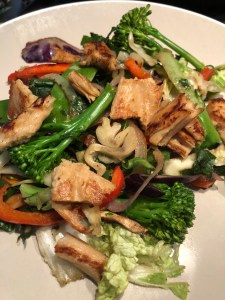
This is a super easy dinner or lunch option. There are lots of vegetarian chicken alternatives out there but this is one of the best I’ve tried. It’s absolutely delicious, not dry like some can be, with a fab texture. It’s good enough to pass as chicken in this dish (in case you have any fussy eaters you want to get this past!).

This comes in at around 263 cals for a portion. You can obviously add rice or noodles if you wish but it’s a massive portion so you won’t need it! You can use any veg you have, or make life easy and grab a pre made bag of stir fry veg. You can have it plain, with soy sauce or if you like you can add hoisin sauce.

You will need:

1 pack of veggie ‘chicken’ (I used ‘what the cluck’ from the vegetarian butcher’

1 small onion

1/2 red pepper

Handful mushrooms

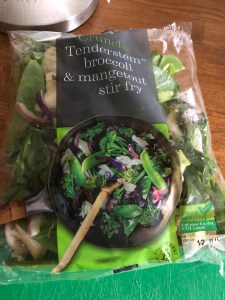
Assorted greens (or do what I did and use a pre made mix!)

Soy sauce to taste (or hoisin sauce if you prefer)

Chop the veg.

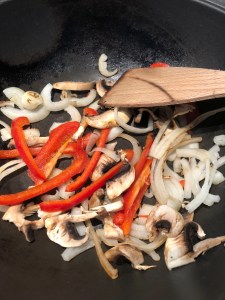
Heat a little oil on a wok or frying pan and sauté the onions.

Meanwhile pop the veggie chicken in a separate pan (you can do it with the veg but I prefer to brown it separately to ensure it’s nice and crispy)

Add the peppers and mushrooms to the onions, cook for a couple of mins.

Add the other veg and stir fry for a few mins and then add the soy sauce to taste (or hoisin sauce) and cook through.

Add the chicken pieces and then serve!

Enjoy 🙂

Xx

Recipes

Hoisin Pulled Veggie ‘Pork’

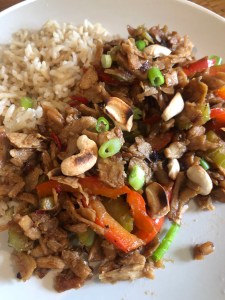
If you’re a Chinese takeaway fan this is a great lower calorie, home-made option for you! You can use any veggie alternative – there are pulled pork, pulled chicken and pulled jackfruit options available now. I happened to have the Linda McCartney pulled fake chicken in my freezer so that’s what I’ve used.

This serves 3-4 people and comes in at around 230 cals per portion (before rice etc).

You will need:

1 pack of veggie pulled ‘meat’

1 small onion

1 clove garlic

1 stick of celery

1 small red pepper

1 small red chili (optional)

3 tbsp soy sauce

1 tbsp sweet soy sauce (kecap manis)

2 tbsp hoisin sauce

1 tbsp black bean sauce

1 tbsp water

Small handful of cashew nuts (optional)

A couple of spring onions (for garnish)

Place the pulled fake meat in a bowl and add the soy sauce and sweet soy sauce – leave to marinate.

Chop the vegetables up into small pieces and add the onion, garlic and celery to a hot wok or pan with a little oil (or oil spray to save calories)

Add the peppers and chili if using.

While the vegetables sauté add the hoisin and black bean sauce and water into a small bowl and mix together. Set aside.

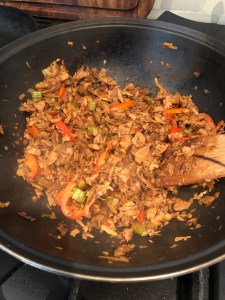
Add the marinated pulled fake meat to the wok and fry it for 5-7 mins.

Meanwhile, if you’re using the cashew nuts roast them in a dry pan.

Add the sauce mix to the pulled meat and cook through for another 2-3 mins.

Serve with the cashew nuts and spring onions sprinkled over the top, with rice or noodles.

Enjoy 🤗

xx