Tuesday Tip

Tuesday tip: Insulin causes fat gain?

Tuesday tip: Insulin causes fat gain? 🤔

You often hear people talk about insulin being “spiked” by carbs and that insulin is putting your body into fat storage mode and therefore causing fat gain. Insulin helps to move nutrients out of the bloodstream into cells, where they are either used for energy or stored. The argument is that because insulin causes an increase in lipogenesis (fat storage) and a decrease in lipolysis (fat breakdown) that it must be responsible for putting on fat. The argument then continues that as carbs cause insulin to be released, they will cause fat gain, and therefore high carb diet will result in fat gain. The reasoning then follows that a low carb diet is necessary for fat loss because then insulin levels will be kept low.

Fat gain can only occur if the rate of lipogenesis is greater than lipolysis. In healthy individuals insulin only increases in response to food. So after you eat lipogenesis will increase and lipolysis (fat breakdown/burning) will be reduced, and fat storage may take place. However when those levels of insulin drop fat burning will resume. If you’re in a calorie deficit and expend more calories than you consume, then when insulin levels drop (between meals and overnight) fat burning will be greater than fat storage and you will lose fat. This happens no matter WHAT you eat – even if you ONLY ate carbs.

Equally if you’re not losing fat then that means you’re in calorie surplus. Total calories consumed are what determines fat loss or gain, not insulin levels. Even when insulin levels are low you can still enter lipogenesis (fat storage) due to an enzyme called acylation stimulating protein. This is why there are no studies showing significant differences in fat loss of low carb compared to other diets when calorie levels are controlled. In fact studies have shown that even with high carb diets, when insulin levels are therefore greater, there is still fat loss if there is a calorie deficit.

Going low carb isn’t a sustainable or healthy way to lose weight; healthy balanced meals are the way to go. You don’t need low carb diets, if you’re truly in a calorie deficit you will lose fat.

Happy Tuesday 🤗

xx
Nutrition and Calorie Tips

Cooked vs uncooked weight..

Cooked vs uncooked weight… 🍝

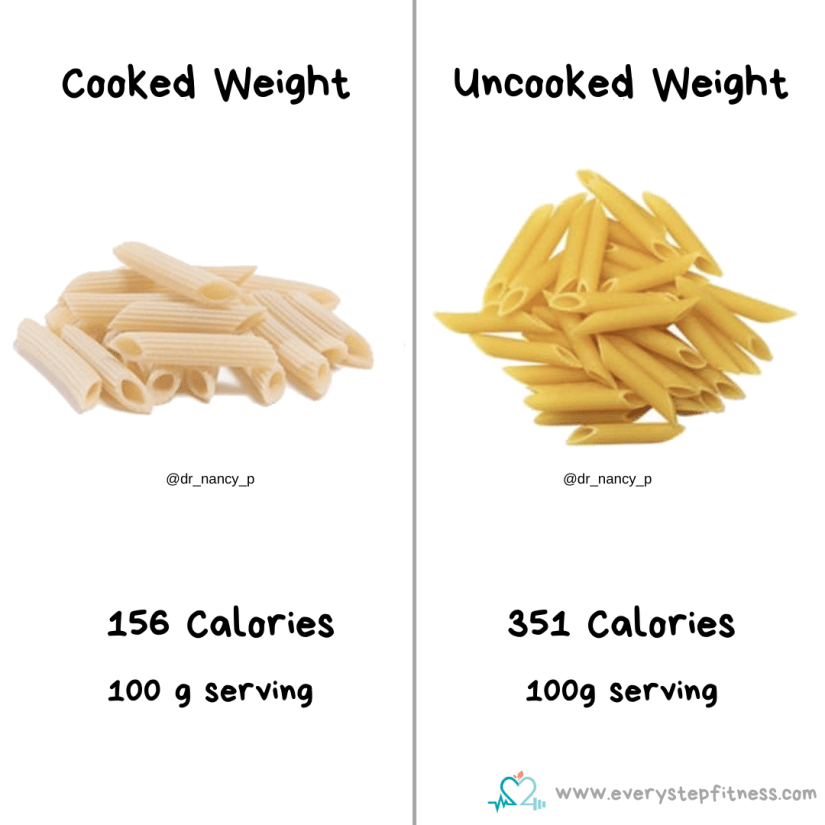
Just a short tip today. This is a simple thing that can make a big difference. If you’re tracking calories then do be careful when tracking things like pasta, rice and other dry grains. Depending on the brand and type you may find the calorie info relates to cooked rather than uncooked weight.

The difference is very significant! If you’re logging the calories as 151 but you’re actually eating 351 cals that could have a significant impact on your progress. So be sure to look carefully at the label – usually they will state uncooked weight or cooked/ ‘as prepared’ weight – so be sure to track accordingly!

🤗

Xx

Tuesday Tip

Tuesday tip: Adaptogens – Myth or Miracle Stress Reliever?

Tuesday tip: Adaptogens – Myth or Miracle Stress Reliever? 🍄

You may have noticed a trend for “adaptogen” ingredients such as ginseng, mushrooms, turmeric, maca root, matcha etc being marketed as “stress reducing” and cropping up in smoothies. coffees, bars, supplements etc.

Adaptogens have their roots in traditional medicine and are defined it as any plant compound that helps increase our ability to adapt and avoid damage from stressful environmental conditions.

When under stress, adaptogenic compounds increase the release of hormones like dopamine, norepinephrine, and epinephrine and elevate vascular relaxants like nitric oxide. They have also been shown to increase mental capacity and short-term memory. When taken regularly they can balance stress-related hormones like adrenaline and cortisol.

In today’s stressful environment it’s easy to see why adaptogens have become popular, but do any actually work? Well I’m afraid only 3 have any scientific evidence behind them (and that evidence is limited) – ginseng, golden root, and bacopa. Experimental trials found that Indian ginseng reduced feelings of stress, depression, and anxiety in patients with chronic stress, and significantly reduced cortisol levels. Others studies have shown lowered cortisol levels in patients with burnout syndrome when taking golden root (Rhodiola) for 28 consecutive days. Another sample of high-stress students reported lower mental fatigue, greater physical fitness, and better well-being after taking it.

Finally a study showed that people who consistently took Bacopa supplements had lower anxiety rates, higher learning rates, and greater memory consolidation after 12 weeks.

These studies are very small but indicate some benefits to these specific compounds. So before you switch to turmeric lattes and mushroom coffee you might want to consider that their hefty promises don’t live up to their price tag. If you do want to try adaptogens stick to Indian ginseng, golden root or bacopa (and always check with your Dr before you start taking any new supplements)

Happy Tuesday 🤗

xx

Tuesday Tip

Tuesday tip: Can You Turn Fat Into Muscle?

Tuesday tip: Can You Turn Fat Into Muscle? 💪🏼

There is a common misconception that fat you can turn fat into muscle. Sadly you can’t! Fat is fat, muscle is muscle; totally different types of tissue. Both can be lost or gained-that’s it. So what’s happening when people say this? Well in reality people are losing some fat, and gaining some muscle, which is why it may seem like fat has “turned into” muscle. Fat is lost when you have a calorie deficit, muscle is gained by having a calorie surplus, working out (a muscle building stimulus) and having the raw materials to do it (protein). In most cases if you’re losing weight you are mostly losing fat, though if you are also upping your exercise then there will be some increase in muscle too, which is one reason why weight loss is not linear. This works best for those with a reasonable amount of fat to lose, on a moderate calorie deficit, who also increase their activity. This is what I design for many of my clients. It means you’ll be losing fat and also gaining a little muscle too. As muscle is denser than fat you’ll also shrink (they weigh the same… muscle just takes up less space than fat).

So what about when you stop working out? Does muscle magically turn in to fat?

Nope! it can’t! What happens though is if it’s short term your muscles are just less “pumped” so you “feel” fatter. Longer term you simply lose some muscle and probably gain some fat. This is because when you remove the stimulus which tells your body to build/maintain muscle (i.e. strenuous physical activity) you will lose the muscle mass. You’ll also end up burning fewer calories both through less activity, but also less muscle mass means a lower bmr (basal metabolic rate – i.e. calories burnt at rest), and so you are more likely to end up in a calorie surplus and put on fat.

The only way to prevent muscle being lost long term is to continue to workout! But you can prevent fat being gained simply by ensuring you don’t eat more than your maintenance level of calories (easier said than done, though not impossible!)

So bottom line – fat can never be turned into muscle, and muscle is never turned into fat!

Happy Tuesday 🤗

xx

Tuesday Tip

Tuesday Tip: Emotional Wellbeing

Tuesday Tip: Emotional Wellbeing 💜

With the final bank holiday coming up many people are having a final “break” away. Holidays are a time to relax, switch off and enjoy time with family and friends. Whilst they’re often a physical rest, they should also be an emotional rest. Even if you’re not getting away and just having a holiday at home, this is still an opportunity to make your holiday time count emotionally as well as physically.

#1 Give yourself permission to rest

Rather than planning loads of activities actually allow yourself time to rest, even if that’s hard with children or family. You might have to be pretty strict and plan “down” times.

#2 Figure out what you need

If you are feeling drained or exhausted, it’s a signal to take time for recovery. The common misconception is that recovery has to be passive e.g. lying on a sofa. Physical rest is important but so are things such as hiking, being outside in nature, gardening, socialising etc. Your usual day job will affect this; if you read a lot in your job, you might find that sitting and reading is not what you want to do, but exercise and getting outdoors could work better for you.

# 3 Be present

Simple things you can do include putting away your phone, turning off your computer and making sure you have out-of-office replies to work emails to help stay present. If you find your thoughts drifting to things that cause you stress then try to shift the focus back to what or who you want to focus on.

# 4 Set aside social time

Connection and social relationships are critical to promoting wellbeing. Spending meaningful time with friends and family is a great way to improve your emotional health. Create opportunities for quality time together such as cooking and eating together and playing games.

#5 Make memories

Lasting memories are created when we engage our senses. This is often easier on holiday as all our senses are triggered when we experience something new. Trying something new or getting creative, with friends and family is a fun way to strengthen connections and gain a sense of accomplishment. It can also make you feel more motivated to get back to work after it.

Happy Tuesday 🤗

Xx