Tuesday Tip

Tuesday tip: Balancing hormones

Tuesday tip: Balancing hormones 🚩 🤔

You will often see fitness or wellness coaches talking about you needing to ‘balance your hormones’ or promising that certain products can do this. This is a huge red flag. Fitness coaches, personal trainers, wellness coaches, life coaches etc should not be talking about hormones in this respect – it falls outside their scope of practice and I’m afraid in most cases they don’t know what they’re talking about. The wellness world is full of this sort or marketing quackery that preys on people – right now the main target is peri menopausal and menopausal women, though often it targets other groups too.

The only person qualified to tell you that you need to ‘balance’ your hormones is an endocrinologist. For example – balancing the levels of thyroid hormones, or the levels of oestrogen and progesterone has real and significant medical implications. Another example is cortisol production – if ‘imbalanced’ through chronic stress it causes oestrogen and androgens to be suppressed. These are facts, based on medical science, not conjecture based on the current social media hype that preys on vulnerable people.

Inevitably you’ll also see that these people talking about a need to balance hormones are also selling programs or supplements which will ‘balance your hormones’ …. Ta da! What a surprise…

There is so much fear and distrust for doctors and the medical community, and none whatsoever for non-regulated, unproven and untested products purchased over the counter or internet. If someone has a real hormone imbalance they need medical care – likely in the form of an endocrinologist but certainly not a collection of random supplements or diets.

Happy Tuesday 🤗

Xx

Nutrition and Calorie Tips

Reverse lent!

Reverse lent! 😇

We may be a week into Lent already but regardless of your beliefs or faith Lent has traditionally become a time when people give up various things they consider ‘bad’. Now whilst there’s absolutely nothing wrong with that at all sometimes it can become more of a negative rather than positive experience.

So how about instead of giving up things, you turned it around and tried taking something up or giving something to others?
You could do some voluntary work, or you could give things to charity. For example, try setting up a box and popping one item of clothing or something you don’t want anymore in it every day for each day of lent, then donate to charity at the end!
You could give your time to someone – it could be something simple like helping a friend or neighbour, or calling someone for a chat. Or you could take up a new hobby or challenge during Lent – try something new like gardening, knitting, drawing, or perhaps a fitness based challenge – trying new classes, walking every day, working out 3 times a week etc.

What do you say? 🤗
How about a reverse lent?
Xx

Tuesday Tip

Tuesday Tip: Hunger Management

Tuesday Tip: Hunger Management 😝

Hunger management plays a crucial role in successful weight loss. People often over restrict and starve themselves which, whilst obviously may work temporarily , usually leads to cravings, binge eating, and hunger. All of which derail progress and of course make it unsustainable.

With a sustainable calorie deficit there will still be some mild hunger. This isn’t a cause for concern and it’s to be expected but it’s helpful to have some strategies to help manage this so you can stay on track. Essentially it comes down to making food choices which maximise feelings of fullness whilst minimising calories. Remember total calories still count when it comes to weight loss so these are all within that context.

Here are a few things that can help:

#1 Higher protein intake may lead to improved feelings of satiety and less cravings. But, if you already eat a high-protein diet (1.6g/kg+) then it won’t make much difference. Also be aware that prioritising protein too much may lead to to eating fewer carbs which you also need and can mean you end up low on energy and more hungry. So don’t remove carbs either!

#2 High fibre foods help by bulking food volume, slowing digestive time and increasing gut fermentation – all

Of which lead to feelings of fullness. Low energy dense high fibre foods like fruit and veg are a great option.

#3 Fats can help with feelings of fullness (especially when combined with protein) but

they may not be the best option for

hunger management, especially if you

have a tight calorie budget. Fat provides more then double the energy of carbs / protein so it easy to eat more cals with a smaller serving of a high-fat food, compared to a high-carb food

# 4 Go for high volume foods or combinations of foods. If you’re having a lower calorie snack bulk it out with things like fruit or veggies, or a zero cal drink (water or soft drink) to help.

#5 include whole , unrefined carbs as they aid in satiety, muscle recovery and training performance /energy levels (and they’re tasty!)

#6 Our beliefs and perceptions impact feelings of fullness. Perceptions of what a ‘normal’ portion size is impacts whether we feel full after eating it. Equally our beliefs about certain foods have the same effect e.g. if you believe a protein in bar is more filling it will feel that way. Increasing knowledge around calorie content can help with this.

Happy Tuesday 🤗

Xx

Nutrition and Calorie Tips

Best methods for recovery?

Best methods for recovery? 🧊

Like everything in the fitness and diet industry the subject of recovery and methods to aid recovery are full of fads and social media trends. Common post workout recovery options include, foam rolling (with expensive, fancy rollers), massage guns and cold water immersion, with the latter gaining popularity as ice baths have become a must in “self-improvement/discipline” circles recently. Social media is full of celebrities and fitness personalities sharing their cold water immersion practices, with dedicated tubs/barrels etc.

Studies have shown that cold water immersion, massage guns and fancy foam rollers don’t actually result in significantly better recovery than just resting and good nutrition. In fact some are less effective. Several studies have also found that ice baths can negatively impact muscle and strength adaptations. A recent overview of studies found that taking an ice bath immediately after a workout leads to less muscle growth than resistance training alone.

Whilst often promoted as “game changers” these methods aren’t really that at all – at best they may help reduce soreness and perceptions of fatigue but don’t come even close to the effect that sleep and nutrition have on your recovery and muscle growth.

For competitive athletes, it may be important to incorporate some of these things into their recovery leading up to a competition, in conjunction with adequate rest and food, particularly at time where fatigue needs to be quite low. If you’re someone looking to increase muscle mass, cold water immersion should be used sparingly (e.g. only after very hard training sessions) as it can interfere with hypertrophy (muscle growth).

For most of us simply spending more time and energy focusing on good sleep and good nutrition will not only help you recover better and faster, and benefit your progress in the gym, but it will also likely positively contribute to your overall health and wellbeing.

🤗xx

Tuesday Tip

Tuesday Tip: 3 tips to help weight loss

Tuesday Tip: 3 tips to help weight loss 🙏🏻

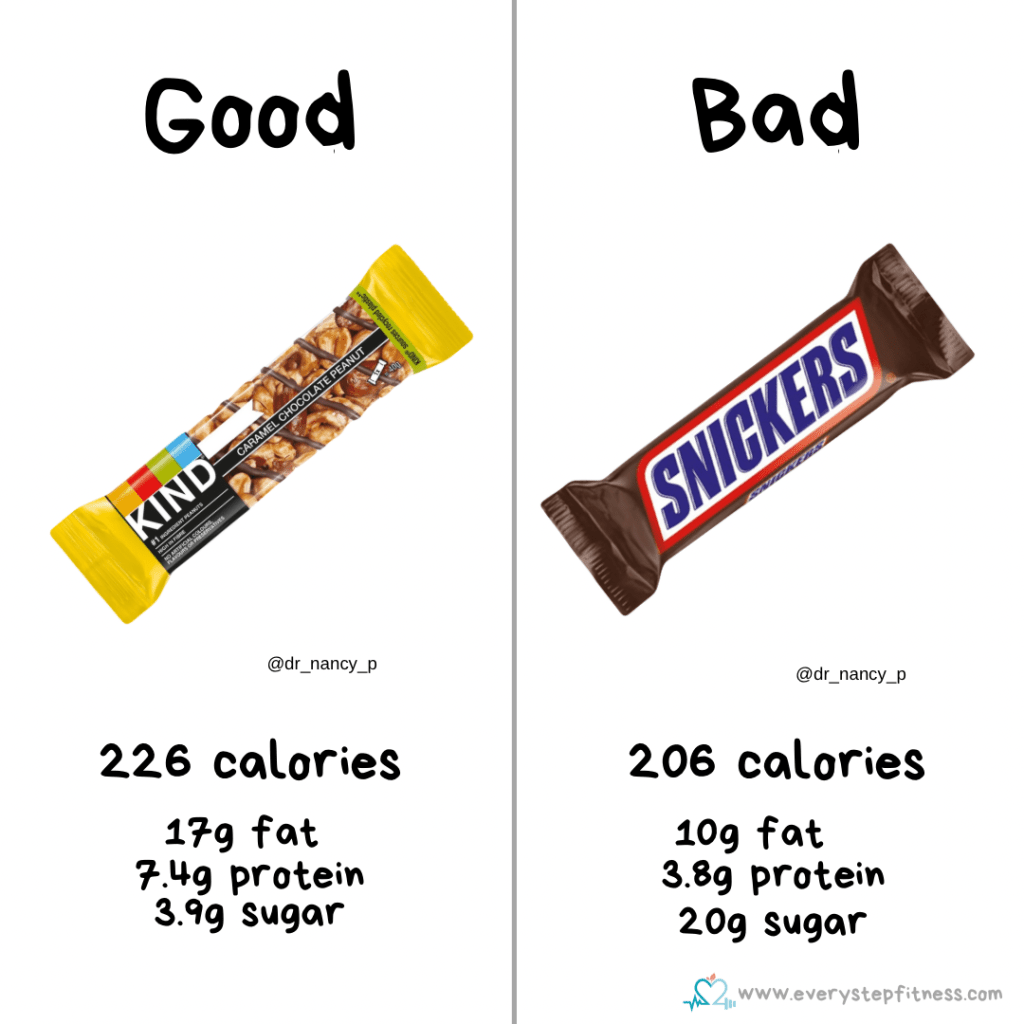
#1. Stop labelling foods GOOD or BAD

Foods don’t have a moral compass. No food is inherently bad or wrong but beating yourself up over eating foods you enjoy is bad. Yes, some foods have a higher nutritional value than others but it’s not helpful to demonise the less nutrient dense options. It’s always dependent on the context. Ask yourself – will this food satisfy me? Is eating it right now helpful to my goals or does it fill another need (emotional etc)?

Does it fit into my remaining daily calories?

#2. Stop depriving yourself of everything delicious in life!

It’s not realistic to avoid sugar, fried foods, pizza, alcohol and cake for weeks or months on end. It’s also not necessary. Instead embrace an 80/20 balance. 80% whole foods, 20% more indulgent foods like cookies and pizza (all within your calories)

You’ll feel less deprived and more likely to stick to your diet long enough to actually see results

#3. Learn your hunger triggers

Are you truly hungry? We’ve all eaten when we are not hungry. And that’s OK! But when you’re trying to lose weight, knowing the difference between physical and psychological hunger is helpful. Use the acronym BLASTED ( am I – bored, lonely, angry, stressed, tired, emotional, distracted) to identify emotional eating triggers and try to tackle the root cause rather than eating something which won’t fix the actual issue

These 3 simple mindset shifts can take some of the struggle out of your weight loss journey.

Happy Tuesday 🤗xx