Nutrition and Calorie Tips

What we think measures health…

What we think measures health… 🏥

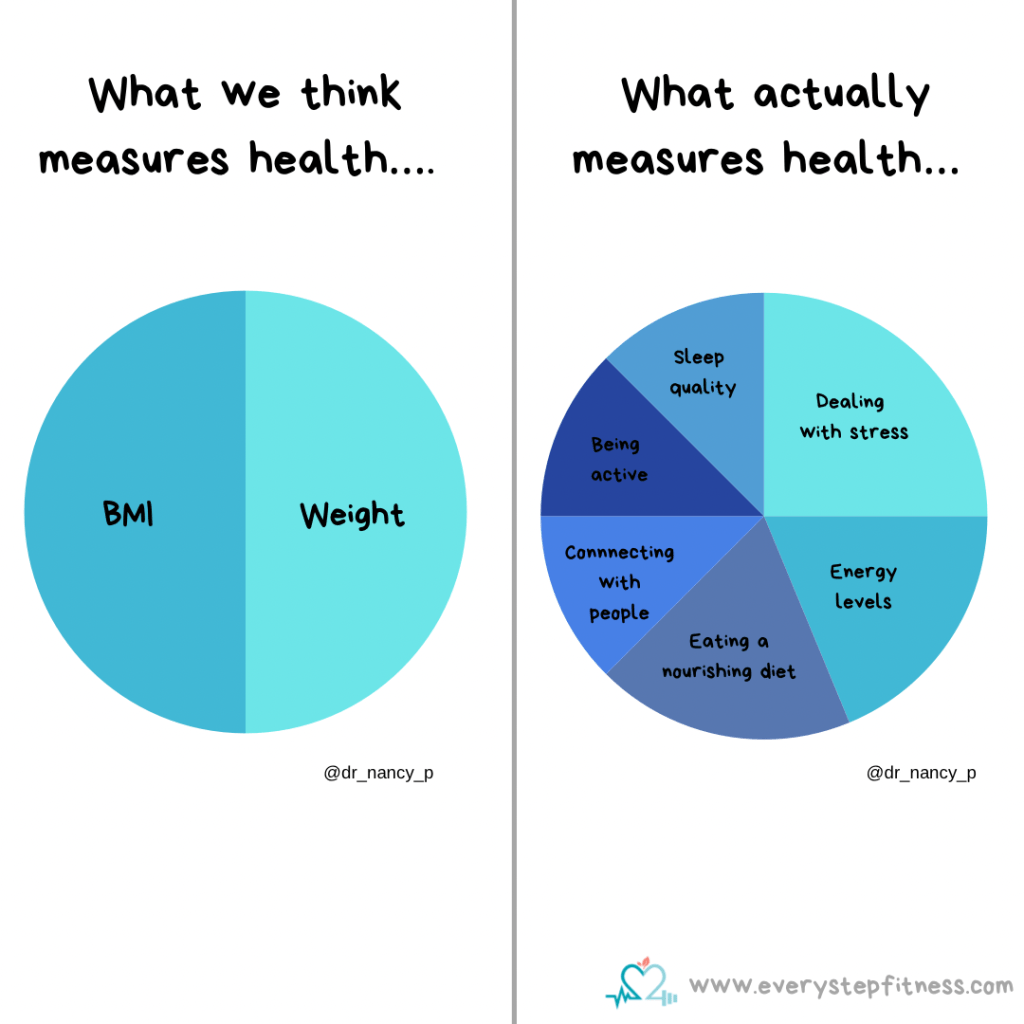
We are all pretty well conditioned to measure our health by either scale weight or Body Mass Index (BMI). As a result we are also hyper focused on weight when it comes to fitness and progress with fat loss too. These measures fail to capture the full picture of what it means to be healthy.

BMI is calculated using height and weight, classifying individuals into categories like underweight, normal weight, overweight, and obese. However, this doesn’t account for muscle mass, bone density, or fat distribution. As a result, individuals who are muscular may be categorized as overweight, while those with a normal BMI could have high body fat percentages. Similarly, weight alone can fluctuate due to various factors, such as hydration levels or muscle gain, which can misrepresent a person’s true health status.

So instead try to focus on a broader range of factors:

# Sleep Quality

Quality sleep is crucial for physical and mental health. Poor sleep leads to weakened immune function, increased stress and appetite, and impaired cognitive abilities. Prioritizing restorative sleep helps enhance overall well-being.

# Managing Stress

Chronic stress is linked to conditions such as anxiety, depression, and cardiovascular diseases. Finding ways to manage stress is vital – techniques such as mindfulness, exercise, or engaging in hobbies, can significantly improve one’s health.

# Physical Activity

Regular physical activity is essential for maintaining a healthy body and mind. It boosts mood, improves cardiovascular health, and enhances overall fitness. Doing physical activity you enjoy is the most important thing.

# Social Connections

Building and maintaining strong relationships can contribute significantly to our health. Social support fosters emotional well-being and can lead to a longer, healthier life. Engaging with friends and family helps combat feelings of isolation and loneliness.

# Energy Levels

Feeling energized is a vital aspect of health. Low energy can indicate underlying health issues, poor nutrition, or inadequate sleep. Ensuring you have adequate rest, nutrition, and exercise can help maintain high energy levels throughout the day.

# Nourishing Diet

Eating a variety of whole foods, including fruits, vegetables, lean proteins, and healthy fats, provides essential nutrients that support bodily functions and prevent disease. Adding in foods you also enjoy that may not be as nutrient rich (like cakes, chocolate etc) is also vital.

So try to take your focus away from what the scale says and instead take a more holistic approach that considers all these other aspects to really measure your health.

🤗

Xx
Tuesday Tip

Tuesday Tip: Is Sugar ‘Toxic’?

Tuesday Tip: Is Sugar ‘Toxic’? 🍭

Sugar is often labeled as a “toxic” and something to be removed from our diet – especially by trendy social media fitness and health influencers but is there any truth to this?

Sugar refers to sweet-tasting, soluble carbohydrates, including simple sugars like glucose and fructose, and compound sugars like sucrose. These sugars naturally occur in foods such as fruit and dairy and are also added to many processed products. All carbohydrates break down into glucose, the body’s preferred energy source.

The key distinction between sugars and complex carbohydrates lies in their digestion. Simple sugars are absorbed quickly, while complex carbohydrates contain fibre, leading to slower digestion and absorption.

Sugar can become problematic when consumed excessively, leading to underconsumption of essential nutrients like protein, vitamins, and fibre, or causing prolonged spikes in blood glucose levels. Temporary increases in blood sugar after eating are normal, but consistently high levels can be harmful.

High-sugar foods (which are often also high in fat) can be energy-dense yet not very filling. In such cases, it may be wise to reduce these foods while focusing on more satisfying options. This doesn’t mean that sugar is inherently ‘bad’; it’s about finding balance and complementing your diet with nutritious foods.

Sugar can be beneficial, especially for fueling training and meeting high energy demands. It provides quick energy for the brain and muscles and is vital for recoveryand addressing low blood glucose levels, particularly in individuals with Type 1 Diabetes.

Additionally and importantly, sugar brings joy and enjoying sweet treats adds pleasure to life.

In moderation, sugar can and should be part of a balanced diet, providing both energy and enjoyment, and should not be avoided- it’s all about balance!

Happy Tuesday 🤗

Xx

Nutrition and Calorie Tips

Healthy Habits You Might Already Have…

Healthy Habits You Might Already Have… 🙌🏼

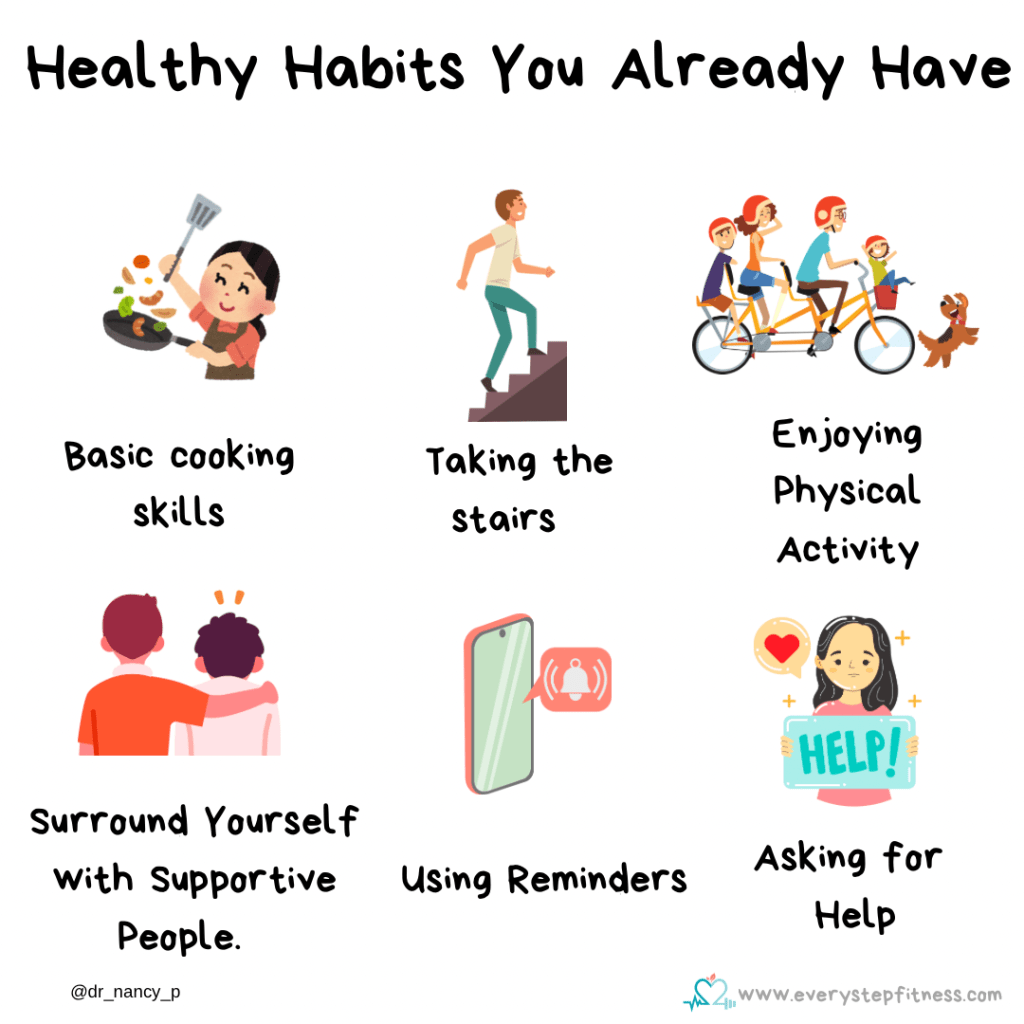
It’s a common misconception is that achieving a healthy lifestyle/losing weight demands a complete overhaul of your daily routine. However, you you’ve probably already established several healthy habits without even realizing it. Here are six behaviours you may already practice that contribute to your well being:

# Basic Cooking Skills

If you know how to prepare a few healthy/low calorie meals, you’re ahead of the game. Cooking at home allows you to control ingredients and portions, fostering healthier eating habits. Even simple meals can be nutritious and delicious.

# Taking the Stairs

Opting for stairs instead of lifts/escalators is a small but impactful choice. This simple action increases your daily physical activity and contributes to cardiovascular health. It’s an easy way to incorporate physical activity into your routine and increase steps.

# Enjoying Physical Activity

If you find joy in certain forms of movement, such as dancing, gardening, walking, or playing sports, you’re on the right track. Engaging in activities you love is critical to making exercise feel less like a chore and more like a fun part of your day.

# Using Reminders

Implementing a reminder system for tasks—be it setting alarms, using apps, or writing notes—can improve your productivity and accountability. You probably do this already so just utilise it for your health goals too – reminders to track calories, or to stand up and move etc.

# Surround Yourself with Supportive People

Having a network of friends or family who encourage your healthy habits is invaluable. Whether they join you for workouts or share healthy recipes, their support can motivate you to stay on track.

# Asking for Help

Recognizing when you need assistance and being willing to seek it out is a vital skill. Whether it’s reaching out for advice on fitness or nutrition, or enlisting a friend for support, asking for help can only be a good thing.

So remember you don’t have to make drastic changes to reach your goals. Build on your existing habits, embrace what you’re already doing and keep moving forward!

🤗

Xx

Tuesday Tip

Tuesday tip: Exercise for Happiness

Tuesday tip: Exercise for Happiness 😁

Physical activity is not just beneficial for our health; as many regular exercisers know it can also significantly enhance our mood and overall mental well-being. Here‘s how:

# Supporting Neurotransmitters Engaging in regular physical activity can elevate the production of serotonin, a crucial neurotransmitter that plays a vital role in regulating mood and cognitive functions. Higher serotonin levels are associated with improved feelings of well-being and reduced symptoms of depression.

# Boosting Endorphins

Exercise triggers the release of endorphins, chemicals in the brain that act as natural painkillers and mood elevators. This release can create a temporary “high,” helping to alleviate feelings of sadness and promote a sense of joy and vitality.

# Reducing Inflammation

Regular exercise is effective in lowering inflammation levels in the body. Chronic inflammation has been linked to various mental health issues, including depression. By mitigating inflammation, exercise can potentially contribute to a more stable and positive mood.

# Decreasing Stress

Exercise serves as a powerful antidote to stress. Research has shown that physical activity can help reduce the body’s inflammatory response to stress, which is often connected to depressive symptoms. By managing stress through exercise, you may experience greater emotional resilience and overall happiness.

# Social connection

If you’re taking part in a form of group exercise there’s also the added bonus of social connection which brings further feelings of happiness, belonging and camaraderie.

Incorporating regular exercise into your routine can lead to significant improvements in mental health, offering both immediate and long-term benefits. Whether it’s a walk, a workout, a fitness class, or gardening , finding a form of physical activity you enjoy can be a crucial step toward a happier, healthier life.

Happy Tuesday 🤗

Xx

Nutrition and Calorie Tips

How stress makes fat loss harder

How stress makes fat loss harder 😖

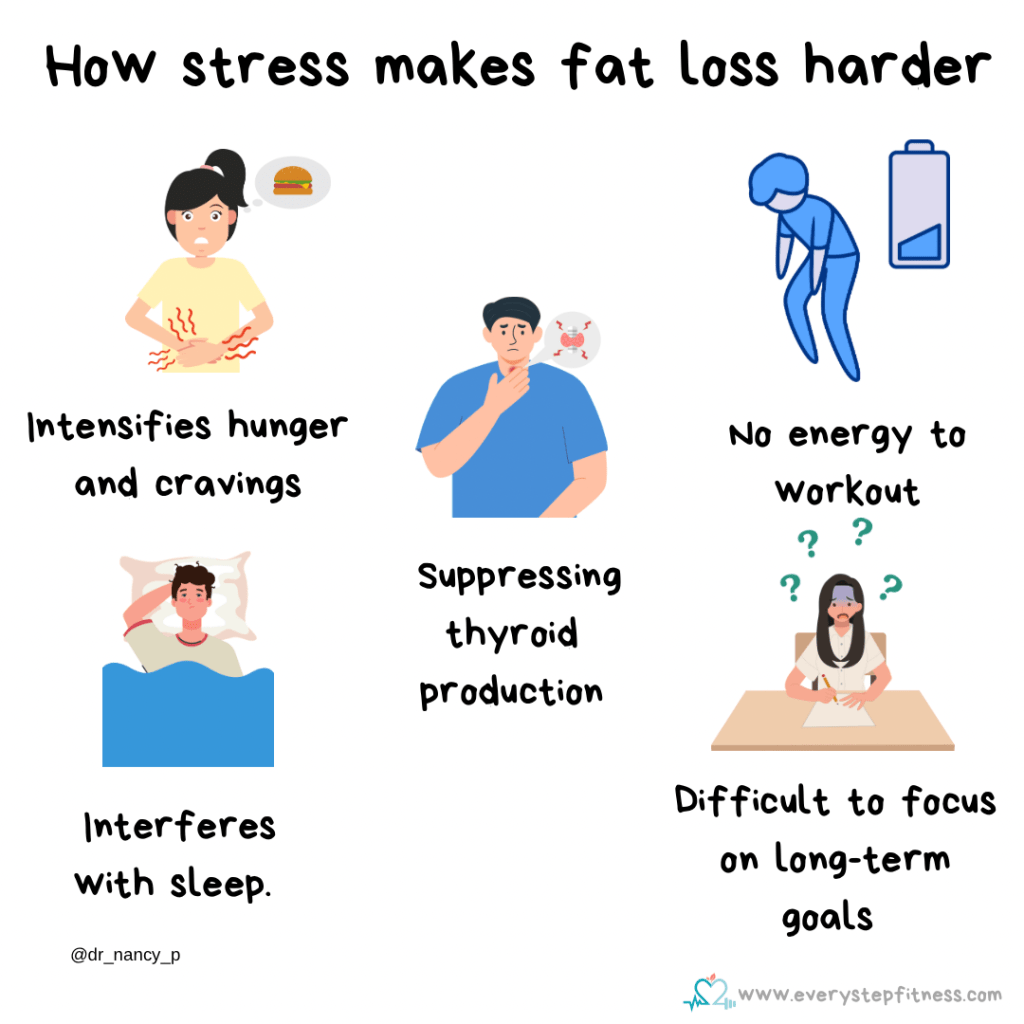
In our fast-paced world, stress is a common issue that can significantly affect mental and physical well being. It can also make fat/weight loss harder. Understanding this impact is crucial for effective weight management.

One immediate effect of stress is increased hunger and cravings. Elevated cortisol levels during stress signal the body to seek out food, often leading to cravings for high-calorie comfort foods. This can derail even the most dedicated weight loss efforts, as you’re likely to choose high sugar and fat laden snacks for temporary relief rather than lower calorie options.

Stress also makes it harder to focus on long-term health goals. When overwhelmed, maintaining motivation becomes difficult, creating a cycle of unhealthy eating and inactivity making fat loss feel daunting and unattainable.

Chronic stress can suppress thyroid production, which regulates metabolic rates. A slower metabolism means burning fewer calories at rest, complicating fat loss efforts and frustration.

Additionally, stress can disrupt sleep, leading to insomnia or poor sleep quality. Sleep is crucial for recovery and hormonal balance, and lack of it can result in fatigue and decreased motivation for physical activity. This lethargy increases the likelihood of skipping workouts.

Lastly, the overall drain on energy levels due to stress can reduce activity levels. Regular physical activity is essential for improving mood and reducing stress. Without the energy to walk or workout etc you miss out on these benefits, making fat loss even more challenging.

Managing stress is vital for effective fat and weight loss. Understanding how stress impacts this is important so you can try to adopt healthier coping mechanisms. Techniques like mindfulness, regular exercise, and prioritising sleep can help mitigate stress’s negative effects and support fat loss.

Enjoy!

🤗

Xx