Nutrition and Calorie Tips

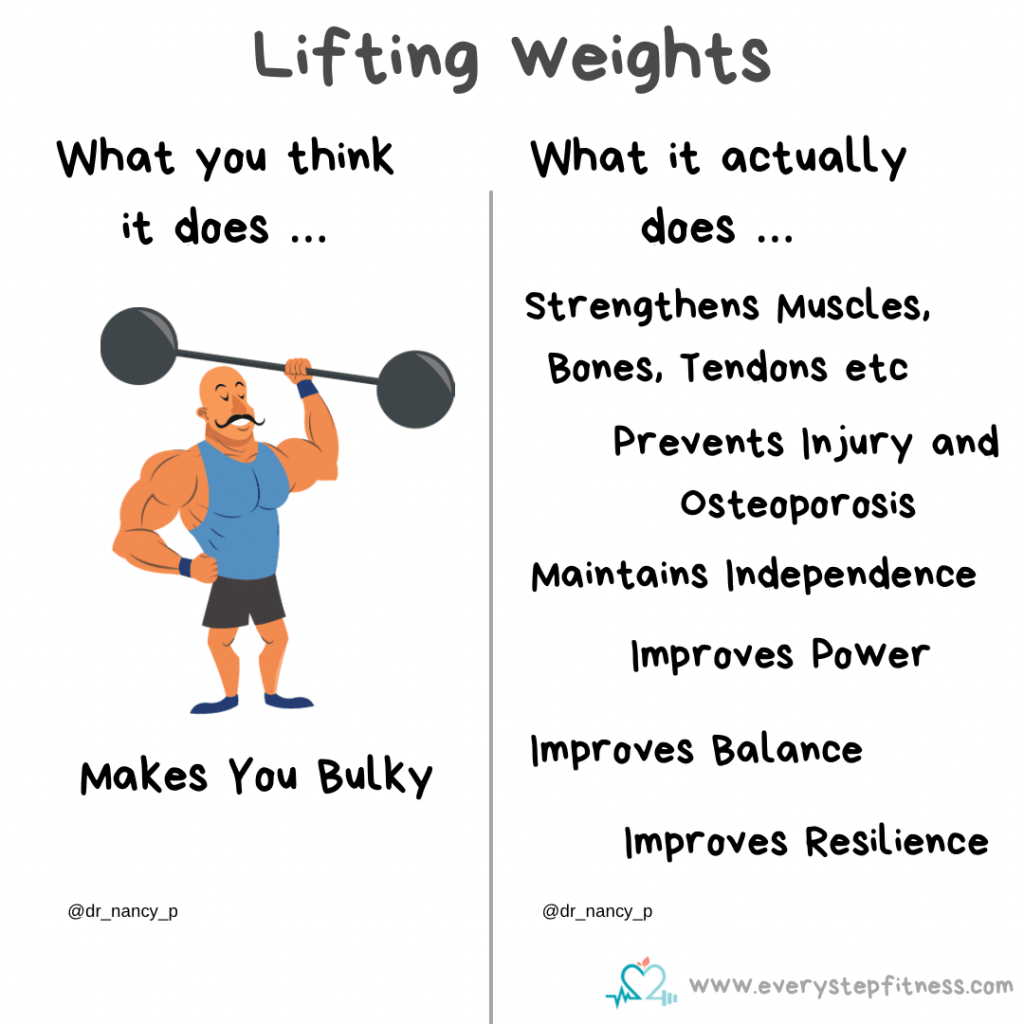
What you think lifting weights does

What you think lifting weights does 🏋🏻

There are a lot of misconceptions and fears around lifting weights – especially for women. Many people believe lifting weights is only something you should do if you want to build ‘big’ muscles and will result in a certain, often termed ‘bulky’, look. Whilst altering body composition to achieve that look is valid reason to lift weights there are loads of other important reasons, not related to aesthetics, which are even more important as we age.

# Strong musculoskeletal system

Lifting weights improves the strength of our entire musculoskeletal system – muscles, ligaments, tendons, joints and bones. This helps us stay mobile, strong and safe and far less prone to injuries and health concerns such as osteoporosis.

# Independence

As we age we lose muscle mass which means we lose strength and bones become more brittle and prone to fractures etc. By lifting weights you maintain bone strength and muscle mass meaning as you age you can maintain your independence – get up without assistance, carry your groceries, lift heavy stuff, and are less likely to break bones if you do fall.

# Improved power

Power depends on the ability to generate force. As you get older you have to continue challenging your nervous system to be stable, powerful and coordinated. We lose power at almost twice the rate we lose strength. Power enables you to stop yourself if you fall, stop your children running out in front of a car, lift bags onto the kitchen side etc. Lifting weights aids in power development and maintenance.

# Proprioception

This is the awareness of your body’s position and movement in space and is a component of balance. Lifting weights improves your awareness of what your body is doing and how it’s moving. This improves coordination and is vital for daily movement.

# Resilience

Any form of fitness training requires you to challenge yourself, learn new skills, be consistent and willing to put yourself out of your comfort zone. This encourages mental and physical resilience and can help you manage stressful situations.

So lifting weights isn’t just about your looks – it’s vital to loads of aspects of your life, health and well-being. So if you’re not already then consider adding some form of weight training (be it a class or in the gym) to your workout schedule.

🤗xx
Tuesday Tip

Tuesday Tip: Activity Tracker Caution

Tuesday Tip: Activity Tracker Caution ⌚️

Fitness trackers and smart watches are a brilliant tool to help get you moving, to track your activity and steps and to give you an idea of the intensity of your workout BUT they’re not a great tool for measuring calories burned.

The assumption is that these expensive watches are fairly accurate at measuring your calorie expenditure during exercise / daily life. The reality is most of these haven’t been tested at all and vary hugely in accuracy. A 2016 study found that whilst some trackers were only up to 8% out when sedentary they overestimated activity (including walking) by up to 40%. A further study in 2017 found some trackers overestimated exercise calorie expenditure by up to 93%!

I was reminded of this just this week. I had to replace my activity tracker and noticed the new one appeared to be suggesting I’d burned more calories than I usually would in various classes. So I did a direct comparison between the two and one measured between 50- 150 cals more than the other for each of my classes. That’s a significant difference!

This is why if you’re eating back your calorie burned from your tracker (or even just eating back half of them) you’re likely to be eating any calorie deficit you’ve accrued and may find you’re not losing weight/fat. So if you do have an activity tracker don’t use it to measure the calories you’ve burnt so you can go and eat them! You can however use them to measure your relative burn to see how ‘hard’ you’re working or how used to your workout you’re becoming by using it as a relative measure of effort

and by using the heart rate data. You can also them to measure steps (again accuracy varies a bit but they’re still great for seeing how active you are).

As I’ve said before – separate the exercise from the food side of things. Exercise for mental and physical well being, NOT to earn food.

Happy tracking! 🤗

xx

Recipes

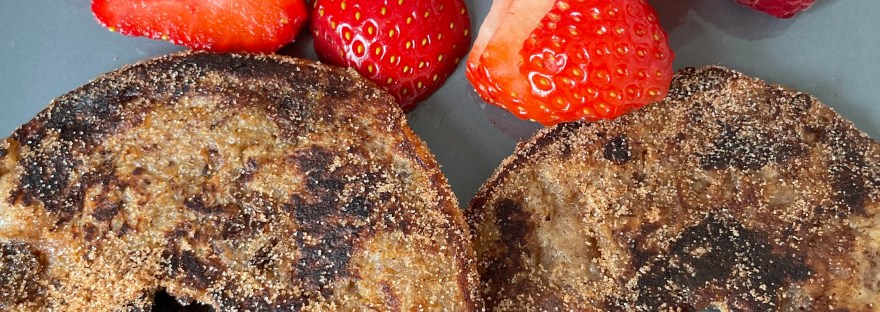
Quick and easy Cinnamon Bagel French Toast

This super simple, low calorie French toast is perfect for a weekend brekkie or brunch or a light lunch!

The mixture will do 2-3 bagels. If I’m just making one I keep the remaining mix in the fridge for a few days.

You can use whatever milk you like and any sweetener – I used almond and went for a granulated sweetener. The calories come in at appox 250 cals – obviously this will vary a little depending on sweetener/sugar or milk but it’s still a brilliant low calorie yet tasty option.

You will need:

1 Cinnamon and Raisin Bagel thin (Warburtons)

1 egg

50ml milk of choice (I used almond)

1 tsp sweetener of choice (I used a granulated sweetener)

Cinnamon to taste

Cinnamon and sugar/sweetener mix to top

Berries or fruit to serve

1 cal oil spray for cooking

Crack the egg into a bowl and beat with a fork until mixed. Add the milk, sweetener and cinnamon and mix well.

Soak the bagel halves in the mix for approx 30 secs for each half, turning to ensure it’s coated.

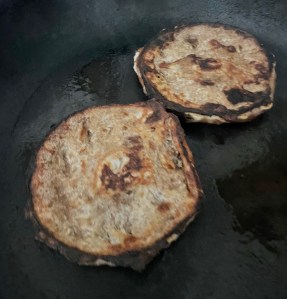
Heat up a pan with a little oil spray until hot and then add the bagels. Cook for a few minutes – turning to ensure both sides are nice and crispy.

Whilst warm drop into a bowl of cinnamon and sugar mix (or sprinkle over if you prefer)

Serve with your fruit of choice! Also works brilliantly with stewed fruit!

Enjoy! 🙂

Nutrition and Calorie Tips

Mindless Munching…

Mindless Munching… 🍪

Do you often find yourself saying, ‘it was just a bite’, or ‘it was just a biscuit’ or even perhaps not even registering that you ate something? If so, those seemingly innocent snacks could be the reason you’re struggling to shed that body fat.

In one day you may for example grab a cappuccino on the train (150 cals), have a couple of biscuits as you pass the kitchen at work (97 cals), pop a few mini sweets in the car (110 cals), finish off the 1 and a half fishfingers from your child’s leftovers (90 cals), maybe grab a crisp or two from your partner’s packet (158 cals), and have a squeeze or sauceor dressings on your meals (200 cals).

That’s 790 calories—calories you likely didn’t track or even remember. While the individual snacks / sauces etc may seem small, they add up quickly and can be the difference between losing fat and maintaining or even gaining weight. Mindless munching throughout the day can easily push you over your calorie target without you even realizing it.

Pay attention to these “hidden” calories and track them carefully. It might just be the key to finally shifting those stubborn pounds.

Remember – calories count! 🤗xx

Tuesday Tip

Tuesday Tip: Understanding Ageing Changes

Tuesday Tip: Understanding Ageing Changes 👵🏻

Scientists have known for some time that ageing isn’t linear. As we age, our bodies undergo various changes that can spike at certain milestones. A recent study has identified two distinct phases – around ages 44 and 60.

The study assessed ageing at the molecular level (RNA, proteins, metabolites) and microbes (gut and skin bacteria). It found significant changes in metabolism at two ages – around 44 and 60.

For instance, at around 44 the ability to metabolize substances like caffeine and alcohol shows a marked downward shift. By age 60, there is also a shift in immune function, kidney health, and skin and muscle decline. These changes are accompanied by an increased risk of age-related diseases, including cardiovascular issues and diabetes.

The mid-40s spike in changes was initially thought to be driven by perimenopausal shifts in women, but the data revealed similar changes in men around the same age. This suggests that menopause may contribute, but other factors likely influence these changes for both genders.

Does this mean we’re doomed to accept these declines? Well yes and no. You can’t reverse the process but you can do some things to help mitigate the impact. The study revealed the importance of physical activity and exercise to help mitigate some of these changes in muscle function and metabolism. Also with the decline in the ability to process caffeine and alcohol it might be wise to reduce consumption as we age. Managing stress is also beneficial and as always focusing on a balanced diet rich in nutrients is vital.

It’s also important to recognise these changes impact men and women and whilst many may also experience symptoms of peri menopause/menopause some of these changes are merely a result of the ageing process for everyone.

Understanding the ageing process empowers you to maintain your well-being as you navigate these significant life stages. Rather than worrying about these changes, embrace proactive health measures.

Happy Tuesday 🤗

Xx