Tuesday Tip

Tuesday tip: Exercise for Happiness

Tuesday tip: Exercise for Happiness 😁

Physical activity is not just beneficial for our health; as many regular exercisers know it can also significantly enhance our mood and overall mental well-being. Here‘s how:

# Supporting Neurotransmitters Engaging in regular physical activity can elevate the production of serotonin, a crucial neurotransmitter that plays a vital role in regulating mood and cognitive functions. Higher serotonin levels are associated with improved feelings of well-being and reduced symptoms of depression.

# Boosting Endorphins

Exercise triggers the release of endorphins, chemicals in the brain that act as natural painkillers and mood elevators. This release can create a temporary “high,” helping to alleviate feelings of sadness and promote a sense of joy and vitality.

# Reducing Inflammation

Regular exercise is effective in lowering inflammation levels in the body. Chronic inflammation has been linked to various mental health issues, including depression. By mitigating inflammation, exercise can potentially contribute to a more stable and positive mood.

# Decreasing Stress

Exercise serves as a powerful antidote to stress. Research has shown that physical activity can help reduce the body’s inflammatory response to stress, which is often connected to depressive symptoms. By managing stress through exercise, you may experience greater emotional resilience and overall happiness.

# Social connection

If you’re taking part in a form of group exercise there’s also the added bonus of social connection which brings further feelings of happiness, belonging and camaraderie.

Incorporating regular exercise into your routine can lead to significant improvements in mental health, offering both immediate and long-term benefits. Whether it’s a walk, a workout, a fitness class, or gardening , finding a form of physical activity you enjoy can be a crucial step toward a happier, healthier life.

Happy Tuesday 🤗

Xx
Nutrition and Calorie Tips

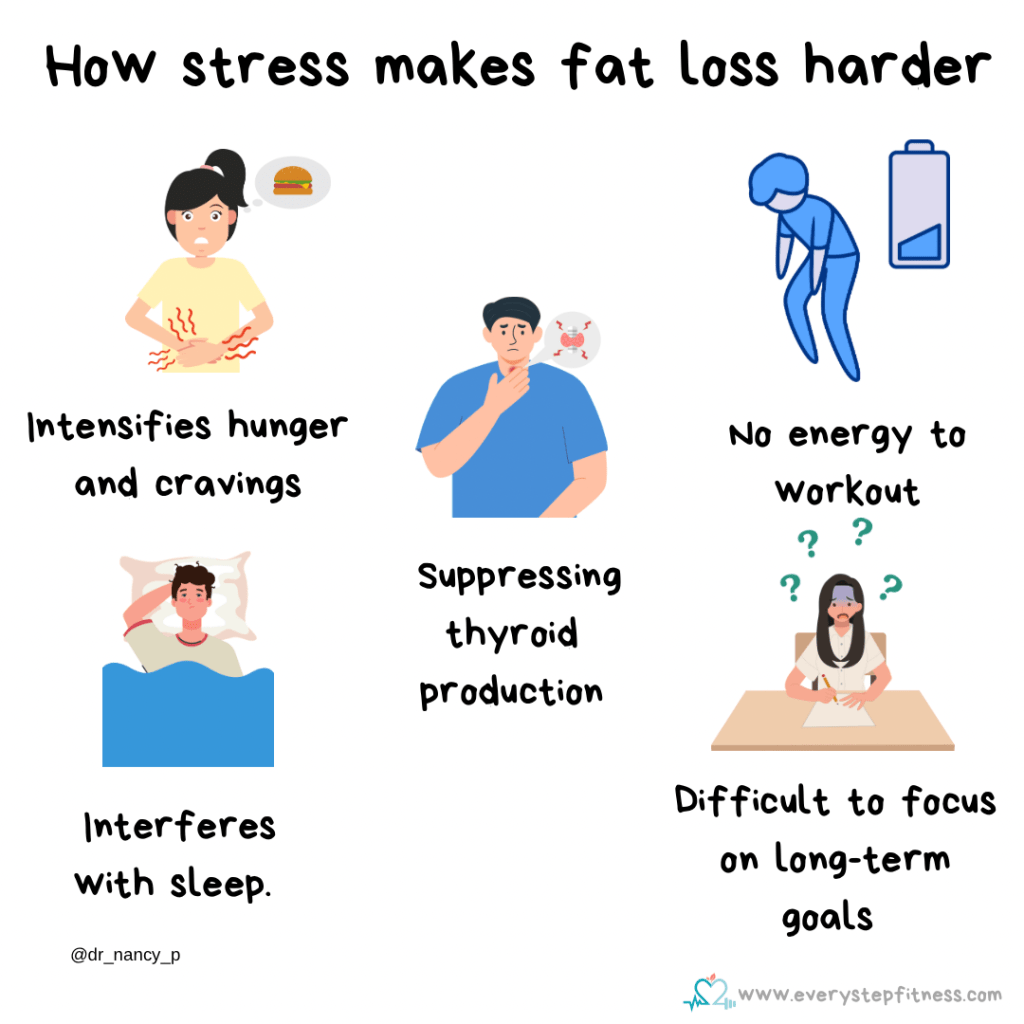
How stress makes fat loss harder

How stress makes fat loss harder 😖

In our fast-paced world, stress is a common issue that can significantly affect mental and physical well being. It can also make fat/weight loss harder. Understanding this impact is crucial for effective weight management.

One immediate effect of stress is increased hunger and cravings. Elevated cortisol levels during stress signal the body to seek out food, often leading to cravings for high-calorie comfort foods. This can derail even the most dedicated weight loss efforts, as you’re likely to choose high sugar and fat laden snacks for temporary relief rather than lower calorie options.

Stress also makes it harder to focus on long-term health goals. When overwhelmed, maintaining motivation becomes difficult, creating a cycle of unhealthy eating and inactivity making fat loss feel daunting and unattainable.

Chronic stress can suppress thyroid production, which regulates metabolic rates. A slower metabolism means burning fewer calories at rest, complicating fat loss efforts and frustration.

Additionally, stress can disrupt sleep, leading to insomnia or poor sleep quality. Sleep is crucial for recovery and hormonal balance, and lack of it can result in fatigue and decreased motivation for physical activity. This lethargy increases the likelihood of skipping workouts.

Lastly, the overall drain on energy levels due to stress can reduce activity levels. Regular physical activity is essential for improving mood and reducing stress. Without the energy to walk or workout etc you miss out on these benefits, making fat loss even more challenging.

Managing stress is vital for effective fat and weight loss. Understanding how stress impacts this is important so you can try to adopt healthier coping mechanisms. Techniques like mindfulness, regular exercise, and prioritising sleep can help mitigate stress’s negative effects and support fat loss.

Enjoy!

🤗

Xx

Tuesday Tip

Tuesday Tip: Maximizing Immunity

Tuesday Tip: Maximizing Immunity 🦠

With the cold, wet weather hitting its definitely cold/flu season so you will hear lots of promotion of products which can ‘boost’ your immune system. While the idea of “boosting” the immune system is popular there are actually no scientifically proven direct links between various lifestyle changes and enhanced immune function. Having said that there are things you can do to support your immune health.

When you experience symptoms of illness, it’s actually your immune system reacting to infections or injuries. So these responses are good as it means the immune system is doing its job. Ways you can help it do this include:

# Diet and Lifestyle

⁃ Aim for a balanced diet, with plenty of fruit and veggies, whole foods and a variety of nutrients.

⁃ Exercise is important and has been shown to increase immune system activity and enhance immune function and overall health.

⁃ Sleep is vital to allow your body to recover and function optimally. Also it’s important to stay hydrated.

⁃ Smoking and alcohol consumption hinder the immune response so are good to avoid or reduce. Obesity and diabetes have the same impact too so it’s important to manage these factors where possible.

# Essential Nutrients

⁃ Vitamin C may reduce the duration and severity of colds. Studies indicate an 8% reduction in symptom duration and a 50% reduction in upper respiratory infections.

⁃ Vitamin D supports immune function and helps prevent infections. Many people do have low levels so it’s often worth supplementing during winter (I’ve written more detail about this in a previous post).

⁃ Some research suggests garlic can lower illness frequency and severity, though the studies do have some limitations but it shows potential. Consuming two cloves daily or an equivalent garlic extract may be beneficial.

# Avoid Low Energy Availability (LEA)

Going on fad diets and drastically cutting calories is a great way to reduce immune system function. If you’re trying to lose weight ensure a moderate calorie deficit and don’t be tempted to cut out carbs (the best source of energy for muscles and brain function)

While direct “boosting” of the immune system is not scientifically supported, maintaining a healthy lifestyle and balanced nutrition can significantly enhance your immune response. Focus on a balanced approach , and beware of trendy supplements or extreme diets.

Happy Tuesday 🤗

Xx

Nutrition and Calorie Tips

Pizza night ….

Pizza night …. 🍕

If you’re trying to lose fat/weight or just improve your nutrition then it’s really important to find ways to incorporate lall the foods you enjoy but to find ways to do this that still fit within your lifestyle and goals.

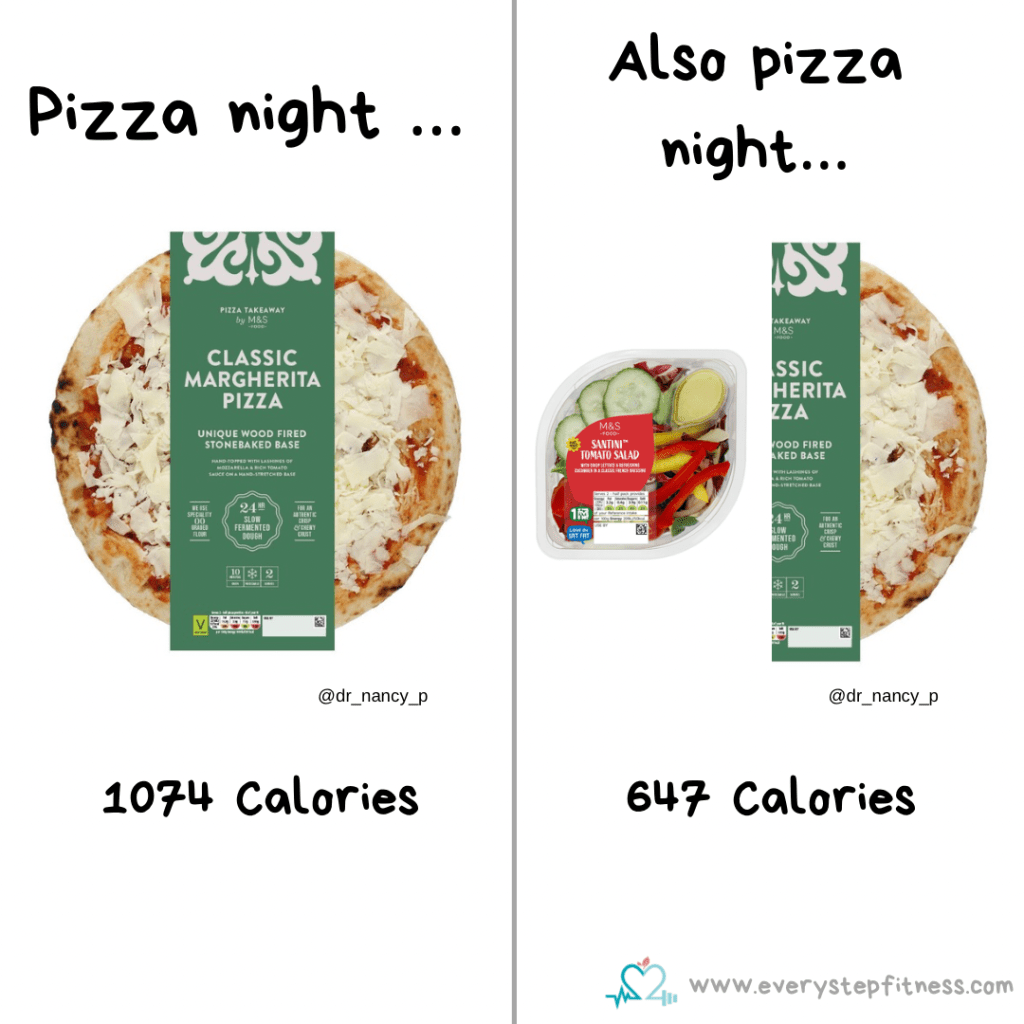
Nutrition and fat loss is always a game of trade offs. Rather than being all or nothing about it try to go for a trade off instead. Pizza nights are something many people enjoy and a pizza can be a really handy, quick and tasty meal. Pizzas are tasty but also calorie dense and low in fibre. That means it’s easy to eat a lot, and in doing so, a consume a lot of calories.

No pizza is going to be low calorie per se – they’re usually fairly large, they’re bread based, with cheese, veg and often meat on top so you’re always going to be looking at a fair few hundred cals. However many are well over 1000 cals. If you’re trying to lose weight and tracking calories then it’s hard to accommodate that many calories for one meal. So instead of going for a pizza to yourself have half (save half to cook another evening or share with someone) and add a side salad. You’re still going to be looking at over 600 cals for most standard pizzas – but that’s still a calorie saving, without massively impacting taste or enjoyment! And as a bonus it won’t leave you feeling over stuffed and you get the extra nutrients and fibre from the salad.

By making small swaps and compromises you can easily fit everything you enjoy into your lifestyle long term. I guarantee you’ll feel just as satisfied and you’ll probably feel a lot less guilty the day after (not that I’m suggesting you should ever subject yourself to guilt for what you eat but the reality is most of us do feel that way).

Enjoy!

🤗

Xx

Tuesday Tip

Tuesday Tip: Omega supplements

Tuesday Tip: Omega supplements 🐟

I’m often asked whether certain supplements etc are necessary. One that frequently comes up is fish oil / omega-3 fatty acids.

Omega’s are essential for heart and brain health. They lower blood pressure, reduce triglycerides in the blood, and reduce the risk of heart disease and ischemic stroke. They’re known to help reduce joint inflammation in rheumatoid disease. They also aid brain and eye function. There is evidence they help to prevent and alleviate dementia, depression, asthma, migraine, and diabetes. So they’re pretty important.

There are three main types of omega-3s: Eicosapentaenoic acid (EPA) – found in fish, Docosahexaenoic acid (DHA) – also in fish and Alpha-linolenic acid (ALA) – in plants.

Obviously ideally you want to try to get your omega-3 fatty acids from foods rather than supplements. Aim to eat 8-12 oz non fried, oily fish high in DHA and EPA a week e.g. Mackerel, Salmon, Sardines, anchovies etc. Also try incorporating at least two tablespoons of omega-3-rich nuts and seeds (for ALA) into your diet (flaxseeds, chia seeds, walnuts, soybeans etc). If you don’t eat fish then you’ll need to increase the amount of plant based sources.

It’s always better to get them from food but if you can’t hit those levels then it is one of the supplements that is worth taking. Ideally you want a supplement with a combined total of 500mg EPA and DHA). Always go for reputable brands to ensure that what’s on the label is actually in the product, keeping you safe and healthy! I take one myself and if you want a specific recommendation let me know.

Happy Tuesday 🤗

Xx