Tuesday Tip

Tuesday Tip: Trick or Treat Yourself

Tuesday Tip: Trick or Treat Yourself 🎃

Hallowe’en is increasingly becoming more of a ‘thing’ in the UK so it’s worth a quick mention about how to handle the celebration if you do choose to. Here are some fun fitness tips to enjoy Halloween while staying on track.

# Enjoy Real Pumpkin

While pumpkin spice lattes are high in calories, fresh pumpkin is nutritious and low-calorie, with only 26 calories per 100 grams. It’s fibre-rich, keeping you full longer, and contains no saturated fats or cholesterol. Packed with vitamins and antioxidants, especially Vitamin C and A, pumpkin supports healthy skin and vision. The seeds are also brilliant too. They are also full of anti-inflammatory compounds and rich in healthy fats, protein and fibre and recent evidence suggests they can help with pelvic floor issues.

# Watch Horror Movies

It may sound strange, but horror movies can help you burn calories! MA recent study found that watching a 90 minute horror film can burn around 113 calories. The adrenaline rush boosts your heart rate and reduces appetite, contributing to calorie burn.

# Take Halloween Walks

Take a leisurely stroll or jog through your neighborhood to admire Halloween decorations. This not only allows you to enjoy the spooky sights but also helps you get some activity in. Plus, if you have children you can use it to scout out which houses are amenable to trick-or-treating.

Eat Before Trick-or-Treating

If you trick-or-treat then eat before you go so you’re less tempted to dip into the children’s stash. When you’re hungry, unhealthy choices are harder to resist.

# Buy sweets last minute and offer alternstievs

If you’re open to people visiting your home to trick-or-treat then consider buying the sweets closer to the day so they’re not sitting around tempting you to tuck in when you’re feeling snacky. Also consider offering other things to trick-or-treaters – fruit may not be popular but unwanted small toys and children’s books might be. You could have a choice of a sweet or a book/toy. So you get to clear out some unwanted items and it’s better for the children’s health).

It is only one day so in the grand scheme of things it doesn’t really matter but it’s always worth being mindful regardless.

Happy Hallowe’en 🎃

Xx
Nutrition and Calorie Tips

Just an Autumn snack…

Just an Autumn snack… 🎃

At this time of year, all the cafes bring out their range of seasonal drinks and pastries. You’re out shopping or meeting up with friends and family, so you just grab a quick autumn-inspired drink or snack to enjoy and get you in the seasonal spirit. You’ll savor it in minutes without really thinking too much. But that’s okay, because it’s just a cozy little autumnal snack…

These snacks can vary but are often quite high in calories. Take, for example, a cinnabon bun that can come in at around 885 calories. For comparison four and a half Krispy Kreme doughnuts contains fewer calories overall at 877. While I’m sure you could enjoy all of them in one sitting (I certainly could), most people probably wouldn’t. You’d likely maybe have one or maximum two at one sitting, rather than indulging in four and a half!

Obviously you can eat whatever you want and if cinnamon buns are your thing then go for it! But that doesn’t mean you shouldn’t be aware of the calories in some of the treats you’re enjoying.

Knowledge is power, so being aware of the calorie content of your favorite autumn snacks and our perceptions of what we consume is always a good thing.

If you want that cinnamon bun, have it and enjoy it. If you’d prefer to have a doughnut or two, go for it. Just be mindful of the calories so you’re making informed choices!

Happy autumn! 🎃

Tuesday Tip

Tuesday Tip: Glucose ‘Spikes’

Tuesday Tip: Glucose ‘Spikes’ 📈

Do you need to worry about blood glucose spikes if you don’t have diabetes?

Tracking blood glucose and avoiding “spikes” has become a trendy topic, with claims that maintaining a tight blood sugar range can lead to benefits like improved mental and physical performance, weight management, and reduced cravings.

For those without diabetes or insulin resistance, blood glucose levels (BGL) rising after meals is a normal and healthy response. Similar increases occur during high-intensity exercise. Fluctuations throughout the day, especially after eating, are natural as our bodies digest and absorb carbohydrates for energy.

Many factors influence BGLs. You can eat the same food at different times or under varying circumstances and experience totally different blood glucose responses. A higher BGL after a meal doesn’t necessarily indicate a “bad” food choice. For example, eating butter may result in a lower spike than a banana, but that doesn’t make it a healthier option.

Flatter blood glucose levels do not always equate to better health. Those without diabetes can maintain healthy fluctuations naturally through their pancreas and insulin response.

You do not need to:

– Stress about blood glucose spikes, even after consuming high-sugar foods.

– Wear a continuous glucose monitor without a medical need; they are essential for some but can create unnecessary anxiety.

– Avoid sweet breakfasts; just aim for balanced sweet or savoury meals with proteins, fats, and fiber.

– Purchase in ‘anti-spike’ supplements that lack evidence.

– Eat your food in a particular order. Eating your balanced meal together is absolutely fine for your BGLs.

Simply focus on good health practices:

– Aim for balanced meals with carbs, proteins, fats, and fiber to slow digestion.

– Include complex carbs like whole grains, starchy vegetables, and legumes.

– Stay active in ways you enjoy.

– Stay well-hydrated.

– Manage stress and ensure adequate sleep.

So don’t stress about glucose spikes or spend money on expensive products to track it.

Happy Tuesday 🤗

Xx

Nutrition and Calorie Tips

What we think measures health…

What we think measures health… 🏥

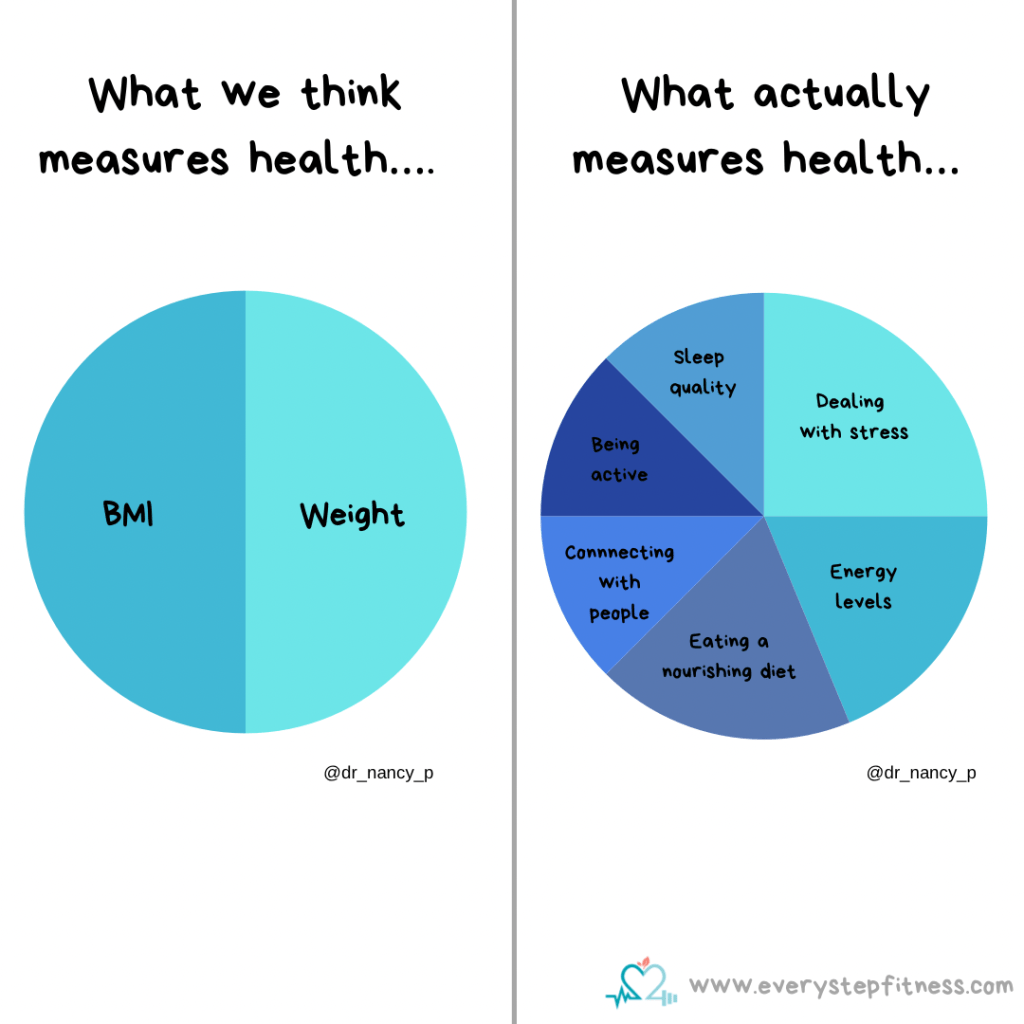
We are all pretty well conditioned to measure our health by either scale weight or Body Mass Index (BMI). As a result we are also hyper focused on weight when it comes to fitness and progress with fat loss too. These measures fail to capture the full picture of what it means to be healthy.

BMI is calculated using height and weight, classifying individuals into categories like underweight, normal weight, overweight, and obese. However, this doesn’t account for muscle mass, bone density, or fat distribution. As a result, individuals who are muscular may be categorized as overweight, while those with a normal BMI could have high body fat percentages. Similarly, weight alone can fluctuate due to various factors, such as hydration levels or muscle gain, which can misrepresent a person’s true health status.

So instead try to focus on a broader range of factors:

# Sleep Quality

Quality sleep is crucial for physical and mental health. Poor sleep leads to weakened immune function, increased stress and appetite, and impaired cognitive abilities. Prioritizing restorative sleep helps enhance overall well-being.

# Managing Stress

Chronic stress is linked to conditions such as anxiety, depression, and cardiovascular diseases. Finding ways to manage stress is vital – techniques such as mindfulness, exercise, or engaging in hobbies, can significantly improve one’s health.

# Physical Activity

Regular physical activity is essential for maintaining a healthy body and mind. It boosts mood, improves cardiovascular health, and enhances overall fitness. Doing physical activity you enjoy is the most important thing.

# Social Connections

Building and maintaining strong relationships can contribute significantly to our health. Social support fosters emotional well-being and can lead to a longer, healthier life. Engaging with friends and family helps combat feelings of isolation and loneliness.

# Energy Levels

Feeling energized is a vital aspect of health. Low energy can indicate underlying health issues, poor nutrition, or inadequate sleep. Ensuring you have adequate rest, nutrition, and exercise can help maintain high energy levels throughout the day.

# Nourishing Diet

Eating a variety of whole foods, including fruits, vegetables, lean proteins, and healthy fats, provides essential nutrients that support bodily functions and prevent disease. Adding in foods you also enjoy that may not be as nutrient rich (like cakes, chocolate etc) is also vital.

So try to take your focus away from what the scale says and instead take a more holistic approach that considers all these other aspects to really measure your health.

🤗

Xx

Tuesday Tip

Tuesday Tip: Is Sugar ‘Toxic’?

Tuesday Tip: Is Sugar ‘Toxic’? 🍭

Sugar is often labeled as a “toxic” and something to be removed from our diet – especially by trendy social media fitness and health influencers but is there any truth to this?

Sugar refers to sweet-tasting, soluble carbohydrates, including simple sugars like glucose and fructose, and compound sugars like sucrose. These sugars naturally occur in foods such as fruit and dairy and are also added to many processed products. All carbohydrates break down into glucose, the body’s preferred energy source.

The key distinction between sugars and complex carbohydrates lies in their digestion. Simple sugars are absorbed quickly, while complex carbohydrates contain fibre, leading to slower digestion and absorption.

Sugar can become problematic when consumed excessively, leading to underconsumption of essential nutrients like protein, vitamins, and fibre, or causing prolonged spikes in blood glucose levels. Temporary increases in blood sugar after eating are normal, but consistently high levels can be harmful.

High-sugar foods (which are often also high in fat) can be energy-dense yet not very filling. In such cases, it may be wise to reduce these foods while focusing on more satisfying options. This doesn’t mean that sugar is inherently ‘bad’; it’s about finding balance and complementing your diet with nutritious foods.

Sugar can be beneficial, especially for fueling training and meeting high energy demands. It provides quick energy for the brain and muscles and is vital for recoveryand addressing low blood glucose levels, particularly in individuals with Type 1 Diabetes.

Additionally and importantly, sugar brings joy and enjoying sweet treats adds pleasure to life.

In moderation, sugar can and should be part of a balanced diet, providing both energy and enjoyment, and should not be avoided- it’s all about balance!

Happy Tuesday 🤗

Xx