Nutrition and Calorie Tips

Just an Autumn snack…

Just an Autumn snack… 🎃

At this time of year, all the cafes bring out their range of seasonal drinks and pastries. You’re out shopping or meeting up with friends and family, so you just grab a quick autumn-inspired drink or snack to enjoy and get you in the seasonal spirit. You’ll savor it in minutes without really thinking too much. But that’s okay, because it’s just a cozy little autumnal snack…

These snacks can vary but are often quite high in calories. Take, for example, a cinnabon bun that can come in at around 885 calories. For comparison four and a half Krispy Kreme doughnuts contains fewer calories overall at 877. While I’m sure you could enjoy all of them in one sitting (I certainly could), most people probably wouldn’t. You’d likely maybe have one or maximum two at one sitting, rather than indulging in four and a half!

Obviously you can eat whatever you want and if cinnamon buns are your thing then go for it! But that doesn’t mean you shouldn’t be aware of the calories in some of the treats you’re enjoying.

Knowledge is power, so being aware of the calorie content of your favorite autumn snacks and our perceptions of what we consume is always a good thing.

If you want that cinnamon bun, have it and enjoy it. If you’d prefer to have a doughnut or two, go for it. Just be mindful of the calories so you’re making informed choices!

Happy autumn! 🎃

Tuesday Tip

Tuesday Tip: Glucose ‘Spikes’

Tuesday Tip: Glucose ‘Spikes’ 📈

Do you need to worry about blood glucose spikes if you don’t have diabetes?

Tracking blood glucose and avoiding “spikes” has become a trendy topic, with claims that maintaining a tight blood sugar range can lead to benefits like improved mental and physical performance, weight management, and reduced cravings.

For those without diabetes or insulin resistance, blood glucose levels (BGL) rising after meals is a normal and healthy response. Similar increases occur during high-intensity exercise. Fluctuations throughout the day, especially after eating, are natural as our bodies digest and absorb carbohydrates for energy.

Many factors influence BGLs. You can eat the same food at different times or under varying circumstances and experience totally different blood glucose responses. A higher BGL after a meal doesn’t necessarily indicate a “bad” food choice. For example, eating butter may result in a lower spike than a banana, but that doesn’t make it a healthier option.

Flatter blood glucose levels do not always equate to better health. Those without diabetes can maintain healthy fluctuations naturally through their pancreas and insulin response.

You do not need to:

– Stress about blood glucose spikes, even after consuming high-sugar foods.

– Wear a continuous glucose monitor without a medical need; they are essential for some but can create unnecessary anxiety.

– Avoid sweet breakfasts; just aim for balanced sweet or savoury meals with proteins, fats, and fiber.

– Purchase in ‘anti-spike’ supplements that lack evidence.

– Eat your food in a particular order. Eating your balanced meal together is absolutely fine for your BGLs.

Simply focus on good health practices:

– Aim for balanced meals with carbs, proteins, fats, and fiber to slow digestion.

– Include complex carbs like whole grains, starchy vegetables, and legumes.

– Stay active in ways you enjoy.

– Stay well-hydrated.

– Manage stress and ensure adequate sleep.

So don’t stress about glucose spikes or spend money on expensive products to track it.

Happy Tuesday 🤗

Xx

Tuesday Tip

Tuesday Tip: Is Sugar ‘Toxic’?

Tuesday Tip: Is Sugar ‘Toxic’? 🍭

Sugar is often labeled as a “toxic” and something to be removed from our diet – especially by trendy social media fitness and health influencers but is there any truth to this?

Sugar refers to sweet-tasting, soluble carbohydrates, including simple sugars like glucose and fructose, and compound sugars like sucrose. These sugars naturally occur in foods such as fruit and dairy and are also added to many processed products. All carbohydrates break down into glucose, the body’s preferred energy source.

The key distinction between sugars and complex carbohydrates lies in their digestion. Simple sugars are absorbed quickly, while complex carbohydrates contain fibre, leading to slower digestion and absorption.

Sugar can become problematic when consumed excessively, leading to underconsumption of essential nutrients like protein, vitamins, and fibre, or causing prolonged spikes in blood glucose levels. Temporary increases in blood sugar after eating are normal, but consistently high levels can be harmful.

High-sugar foods (which are often also high in fat) can be energy-dense yet not very filling. In such cases, it may be wise to reduce these foods while focusing on more satisfying options. This doesn’t mean that sugar is inherently ‘bad’; it’s about finding balance and complementing your diet with nutritious foods.

Sugar can be beneficial, especially for fueling training and meeting high energy demands. It provides quick energy for the brain and muscles and is vital for recoveryand addressing low blood glucose levels, particularly in individuals with Type 1 Diabetes.

Additionally and importantly, sugar brings joy and enjoying sweet treats adds pleasure to life.

In moderation, sugar can and should be part of a balanced diet, providing both energy and enjoyment, and should not be avoided- it’s all about balance!

Happy Tuesday 🤗

Xx

Nutrition and Calorie Tips

Healthy Habits You Might Already Have…

Healthy Habits You Might Already Have… 🙌🏼

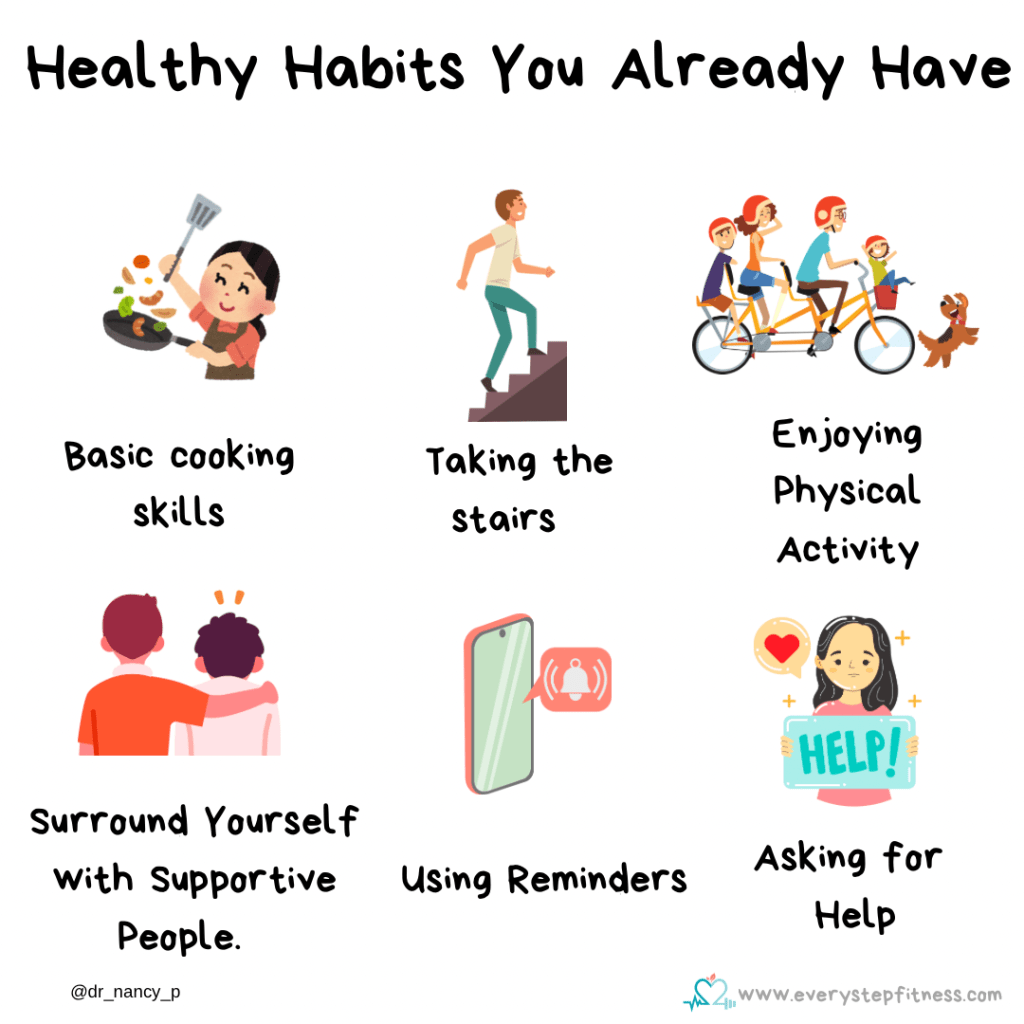
It’s a common misconception is that achieving a healthy lifestyle/losing weight demands a complete overhaul of your daily routine. However, you you’ve probably already established several healthy habits without even realizing it. Here are six behaviours you may already practice that contribute to your well being:

# Basic Cooking Skills

If you know how to prepare a few healthy/low calorie meals, you’re ahead of the game. Cooking at home allows you to control ingredients and portions, fostering healthier eating habits. Even simple meals can be nutritious and delicious.

# Taking the Stairs

Opting for stairs instead of lifts/escalators is a small but impactful choice. This simple action increases your daily physical activity and contributes to cardiovascular health. It’s an easy way to incorporate physical activity into your routine and increase steps.

# Enjoying Physical Activity

If you find joy in certain forms of movement, such as dancing, gardening, walking, or playing sports, you’re on the right track. Engaging in activities you love is critical to making exercise feel less like a chore and more like a fun part of your day.

# Using Reminders

Implementing a reminder system for tasks—be it setting alarms, using apps, or writing notes—can improve your productivity and accountability. You probably do this already so just utilise it for your health goals too – reminders to track calories, or to stand up and move etc.

# Surround Yourself with Supportive People

Having a network of friends or family who encourage your healthy habits is invaluable. Whether they join you for workouts or share healthy recipes, their support can motivate you to stay on track.

# Asking for Help

Recognizing when you need assistance and being willing to seek it out is a vital skill. Whether it’s reaching out for advice on fitness or nutrition, or enlisting a friend for support, asking for help can only be a good thing.

So remember you don’t have to make drastic changes to reach your goals. Build on your existing habits, embrace what you’re already doing and keep moving forward!

🤗

Xx

Tuesday Tip

Tuesday tip: Exercise for Happiness

Tuesday tip: Exercise for Happiness 😁

Physical activity is not just beneficial for our health; as many regular exercisers know it can also significantly enhance our mood and overall mental well-being. Here‘s how:

# Supporting Neurotransmitters Engaging in regular physical activity can elevate the production of serotonin, a crucial neurotransmitter that plays a vital role in regulating mood and cognitive functions. Higher serotonin levels are associated with improved feelings of well-being and reduced symptoms of depression.

# Boosting Endorphins

Exercise triggers the release of endorphins, chemicals in the brain that act as natural painkillers and mood elevators. This release can create a temporary “high,” helping to alleviate feelings of sadness and promote a sense of joy and vitality.

# Reducing Inflammation

Regular exercise is effective in lowering inflammation levels in the body. Chronic inflammation has been linked to various mental health issues, including depression. By mitigating inflammation, exercise can potentially contribute to a more stable and positive mood.

# Decreasing Stress

Exercise serves as a powerful antidote to stress. Research has shown that physical activity can help reduce the body’s inflammatory response to stress, which is often connected to depressive symptoms. By managing stress through exercise, you may experience greater emotional resilience and overall happiness.

# Social connection

If you’re taking part in a form of group exercise there’s also the added bonus of social connection which brings further feelings of happiness, belonging and camaraderie.

Incorporating regular exercise into your routine can lead to significant improvements in mental health, offering both immediate and long-term benefits. Whether it’s a walk, a workout, a fitness class, or gardening , finding a form of physical activity you enjoy can be a crucial step toward a happier, healthier life.

Happy Tuesday 🤗

Xx