Are you a sugar addict? I am. If you’ve ever tried to cut down on sugar and sweet foods I’m sure you’ve realised how difficult it can be. Sugar not only tastes good, but gives us an instant energy boost and at 3 or 4 pm on a grey afternoon when you’re falling asleep at your desk, it’s not surprising a quick hit of sugar in the form of sweets, chocolate, soft drinks etc seems like an easy option.
Although willpower plays a big part in this, it’s not all about willpower. Even if you make the conscious decision to cut back on the junk, chances are you may find yourself reaching for dried fruits or something at that time instead… another sugar hit…So why do we crave it?

When it comes to sugar (and some other junk foods), it’s more about the brain not functioning quite as it should. The system in the brain that should regulate appetite and food intake and prevent us overeating, often doesn’t work. Why?
It makes us feel good
Studies have shown that eating foods that contain a lot of sugar result in a large amount of dopamine being released in the reward centre of brain. That means it makes us feel good. When you stimulate this area repeatedly i.e. by eating sugary foods frequently and in large amounts, the dopamine receptors start to down regulate i.e. they require more sugar to respond in the same way. This means that you need to eat more to get the same effect and reward. In addition sugar also acts in a similar way to opioids on the brain (compounds which have an addictive effect on the brian) and means that withdrawal from sugar can mimic the effects of withdrawal from opiates and other similar pyschostimulants.

In this way sugar behaves in a similar way to drugs such as nicotine and cocaine (Journal of Neuroscience & Biobehavioral Reviews). There are numerous studies which show that the overall effect of these neurochemical adaptations is a mild, but well defined dependency (Journal of Neuroscience and The Handbook of Obesity). Animal studies have shown four behavioural components of addiction which are linked to sugar – bingeing (consuming a large amount in a limited window of time), withdrawal (behavioural and physical signs becoming apparent when sugar is not available e.g anxiety), craving (increased efforts or extreme motivation to obtain sugar) and cross-sensitzation (animals sensitized to one drug may show increased intake of a different drug if they can’t get their sugar fix. In other words, one drug acts as a “gateway” to another i.e. when they can’t get sugar, they will consume other substances which produce the same response in the brain) . All these behavioural responses link to those neural adaptations in dopamine and opioid receptors which suggest dependency on sugar is a real phenomenon. Although human studies are limited the evidence suggests this to be the case for us too and I’m sure some of you recognise elements of this yourself.

It’s in the genes
From an evolutionary perspective it makes sense for humans to have an inherent desire to consume foods high in simple carbohydrates and sugar, which are high in energy and calories, and would have been harder to come by in the environment in our evolutionary past. However in modern times this desire can lead to issues such as obesity, bulimia and a dependence on palatable, easy to consume food – junk food. The concept of sugar addiction has largely been based on anecdotal reports, case studies, and self-help books but recent reviews of the literature and comparisons with animal studies are giving credence to this theory and there is mounting evidence that sugar is indeed addictive (Journal of Neuroscience & Biobehavioral Reviews and Journal of Current Opinion in Clinical Nutrition & Metabolic Care).
So sugar is evil then?
Having said all that sugar isn’t inherently bad or evil. You need sugar to survive. Glucose is the primary fuel we need to support daily functions and activities. Excess intake of glucose though is where the problem lies. There are two problems that arise:
1. Fat storage – Any time you consume more fuel than your body needs (which is very easy when eating high sugar foods) your liver’s ability to store excess glucose as glycogen reaches it’s maximum and excess sugar is converted in to fatty acids, which are ultimately stored as fat. This will be stored wherever you tend to store fat – that might be stomach, butt, hips, thighs etc.
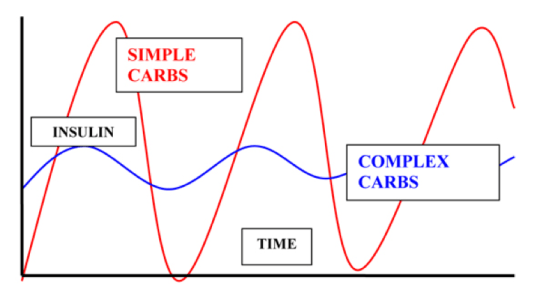
2. Insulin spikes – Excess sugar consumption leads to excess insulin production. Whenever you consume simple carbohydrates e.g. fruit juice, white bread. Sugary drinks, sweets, etc Insulin is released and the insulin levels in your blood rise. This means two things – firstly fat burning is turned off, so the sugar that’s just been ingested can be immediately used for energy. Which is great – so some is used for fuel straight away, but in the grand scheme of things this won’t be much, unless you’re in the middle of a really strenuous workout or endurance race!
So then insulin helps to convert the sugar to glycogen to store in your muscles – which is great… if your muscles are empty of glycogen, however in reality most of us already have pretty full stores of glycogen in our muscles so the excess sugar is actually converted to fat and stored around the body. After this the blood sugar levels will drop which means the body stops producing insulin. This feedback mechanism is slightly delayed however so blood sugar levels fall even lower than normal which leads to an increase in appetite (which means eating more food!) and production of a stress hormone cortisol. This triggers the release of stored energy from the liver to increase blood sugar levels. Now this combined with whatever you eat means you are back in the cycle of increased blood sugar and fat storage. So you end up in a continuous cycle – it’s like a rollercoaster of blood sugar levels. The cortisol in the blood can also lead to other issues like depression, allergies, immune weakness, chronic fatigue syndrome and other serious side effects.

So if this sounds like you – what can you do?
1. Don’t blame yourself
It’s human nature to want to eat nice tasting, high calorie things. You don’t need to blame yourself or feel guilty or ashamed. Be kind to yourself and compassionate, and above all forgive yourself. Then you can move on and actually do something about it.
2. Sugar addiction is emotional as well as physiological
As I’ve already discussed, there is increasing evidence for physiological addiction to sugar, and at the very least the cycle of blood sugar highs and lows acts like an addiction, causing you to consume more. Often though we also crave and indulge in sugar as an emotional response – to manage stress, to cope with loneliness or boredom, to deal with anger etc. It’s the emotional component that’s the hardest to deal with.
For some people it may simply be a case of willpower, but for many it isn’t as simple as this. Using “control” to change your relationship with sugar often fails – trying to control cravings, emotions, thoughts, diet etc can often result in failure. When it fails you try harder and harder, when this doesn’t work you get frustrated, discouraged and you feel more and more helpless and the willpower fades. First you need to recognise that no matter how much sugar you eat it doesn’t work – it doesn’t bring you stress relief, happiness, rest, alleviate boredom etc. It may bring a few minutes of relief but that’s all. So embrace that fact – recognise it, believe it, repeat it to yourself. Then you need to reward yourself – not punish yourself and take practical steps (see below).
3. Keep a food diary
Start by keeping a food diary – be honest, and track how much sugar you are actually eating, and record how you feel afterwards. What triggered the sugar craving/binge? How were you feeling before you binged? What had you been doing that day? What had you eaten that day already? etc
Do this for a week, then step back and take a look – are there any patterns? If there are you can start to address them using the tips below.

4. Look after yourself
Cutting down sugar isn’t easy so you need to look after your body in the process and you need to make it as easy as possible. So you need to:
- Eat breakfast every morning – something like a protein smoothie or shake, or quinoa porridge that has protein and fats in
- Ensure every meal has protein and fat in it
- Eat Regularly
- Drink more water, less juice and less soft drinks
- Sort out a good bedtime routine to ensure you get a decent amount of sleep (lack of sleep can often drive sugar cravings as you feel tired and need the boost that sugar gives).
These steps are particularly important for those of use who succumb to the mid-afternoon snack attack!
5. Eat Coconut oil
I’ve already told you about how fab coconut oil is (read all about it here) – now I’m not suggesting it’s the magic bullet but including it in your diet will help you to cut down on the sugar in several ways. It’s an instant energy source for one which means that if your body is craving that lift that you get from sugar it will get it from the coconut oil. So your body will use the medium-chain triglycerides in coconut oil for fuel, in the same way it would use the sugar, but without the insulin spike. This means you don’t get the crash! It’s also filling too. So try cooking your meals with it, adding a little to your shake, or having a stash of protein balls or healthy flapjacks made with coconut oil handy. If all else fails you could even have a teaspoon of it raw (or mixed with some raw cacao).
6. Don’t buy the junk
I’m terrible for this – once I’ve bought something I feel I need to eat it! So if you’re like that too, then just don’t buy it! Avoid buying treats, biscuits, chocolate etc. If like me you’re a sucker when you get to the supermarket and just start loading your trolley with stuff then see if you can switch to online shopping. I find I buy much less of the bad stuff but using ocado – I’m not surfing the aisles being attracted by naughty foods! IF you do buy it or get given it and hate seeing it go to waste why not donate to a local food bank.
I bet there are cries of – but I need to buy it for the kids… well ask yourself – do you? Really? Would it not be 100 times better to make a batch of homemade, unrefined sugar free flapjacks or chocolate treat bars for their break-time snack than shoving a rubbish chocolate biscuit bar in their back pack? And yes it does take time to make that stuff but then it’s up to you – if you can resist eating it then by all means buy it for them, but if you know you can’t, then spend 10 mins whipping up the treat bars for the week on a Sunday evening while you’re waiting for the veg to boil….Just a thought…
7. Replace the sugar with other things.
It’s not just about cutting out the sweets, it’s also about cutting back on the refined sugars and simple carbohydrates like white bread, white pasta, potatoes etc. So what kind of carbohydrates can you eat to avoid de-stabilizing blood sugar levels?
Well fruit is generally good – berries, apples, oranges, pears, plums, grapes, bananas (not overly ripened), grapefruit etc but try to avoid juices – their often filled with additional sweeteners, and also you’ll be consuming a lot more fruit sugar in a glass of juice than you would by eating the fruit whole.
What about more substantial foods? You need to go for complex carbs so opt for porridge, brown rice, quinoa, sweet potato, whole wheat options (if you’re eating wheat), beans, peas, chickpeas, lentils, corn, sweet potatoes and soy.
Try to avoid processed foods as much as possible as they tend to be full of extra refined sugars and avoid the “low fat” choices for products as they are often low in fat but high in sugars – instead go for full fat and have less!
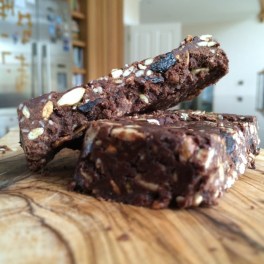
Desperate for a lift mid-afternoon – try a small handful of almonds and cranberries, or a frozen date with a smear of peanut butter (it’s like eating peanut butter caramel!), or for a treat try one of these raw “caramel” balls.
8. Don’t deprive yourself.
Make sure you allow yourself some treats at some point. But recognise where your problems lie – for example, for me chocolate after dinner is my weakness. Once I start getting in to the habit of having it I can’t stop (and I mean, I really can’t stop – I’m a chocolate monster!!) so I know that if I want a treat I’m better off having that treat mid-afternoon, not after dinner. So I’ll have my Willies chocolate bar at 4pm, that does it for me – I’ve had my treat, had my chocolate and I feel good. After dinner when I crave something sweet I’ll try go for a raw chocolate treat, or a bowl of fruit and soya yoghurt instead. If you need alternatives check out Pure and Simple Bakes.
9. Avoid stress – Ha! Easier said than done right?
We all get stressed and anxious but if you’re a sugar fiend then this is likely to trigger another craving so try to be mindful and address the stress before it takes over. You can try the breathing exercise I talk about in my article on overthinking as a starting point. Talk to a friend, write a journal, go for a walk or run – whatever you need to do to help you de-stress, that keeps you out of the kitchen.
10. Plan – You never know when you might get caught out somewhere and need a snack, so rather than being at the mercy of whatever the nearest shop has on offer make sure you keep some healthier sweet snacks in your bag – A little bag of nuts and dried fruit, or a raw bar, or a homemade fruit and nut protein bar, a sachet of nut butter….
So there you go – if you’re a fellow sugar addict have a go at some of these tips and see how you get on! I’ll be trying them too 🙂
Nancy 🙂
xx
(This article was originally published on Pureformfitness.co.uk)