Articles, Fitness and Exercise

How to get the best out of your exercise class or personal training session?

It sounds simple doesn’t – all you need to do is turn up and do the class, or turn up and be beasted by your trainer and you’ll get fitter. Well, yes, on some levels that’s true but you could be getting so much more out of your sessions. Have you ever wondered why your trainer or class instructor was telling you to do a particular exercise? Have you ever wondered if there was a different movement you could do that would get the same results? Maybe one that was less scary to try? Are you doing everything you can to maximise the benefits of your time spent working out? Here are a few tips. Now many of the things I mention here you may think only apply to personal training or one on one sessions but think about bringing them in to your exercise classes too – I promise you’ll see the benefits.

Be prepared

Ok so this may be an obvious one but you’ve got to be prepared for your session. This doesn’t mean a massive time investment or lots of thought, but just a few simple things. You don’t want to miss your session because you forgot to have your kit with you right? So make sure you have your kit with you or keep a spare set at work, or factor in the time you need to get home and get changed. I often hear people telling me they can’t make the evening classes at the gym as there isn’t time to get home, get changed, eat and get there after work. I get that – but if it’s a class you really want to do then the simple solution is to take your gym bag to work, have a high protein snack in it to eat on your way and head straight to the gym from work! Simple 😉

Being prepared also means preparing your body so hydrate well before you start – try to drink 500ml – 1 litre of water in the hour or so before you train or do your class, also do get some fuel in – something light and high in protein would be good (a protein shake, some nuts, a banana etc).

water.jpg

Be there

Yes you do actually have to be there 😉 Easier said than done though right? Life’s busy, things get in the way, the train’s delayed, the weather is pants – the last thing you fancy is getting in to some lycra and jumping around… now whilst it’s much harder to skip a personal training session (you will usually have to pay for cancelling last minute), exercise classes can be really easy to skip. The intention is there, you mean to go every Tuesday night… but… somehow you never make it…well start by actually scheduling it in to your diary – write it down, block out the time and make it a priority – not something you can choose to do or not. If it’s a class you enjoy then it’s important you allow yourself the time to go to it – it’s YOU time and it’s vital. Don’t arrange things for that time if you can possibly help it – treat it like a work meeting that you can’t just skip. If there’s a booking system at your gym – book in, it will make you far more likely to attend. And then once again, give yourself the time to get there.

Be present

So you’ve made it to your session – be it pump, aerobics, or a PT session. Now you have to actually be present. Again this is far easier in a PT scenario as if you start to zone out your trainer should notice and bring you back to the workout. In an exercise class it’s very easy to just go through the motions. You’ve made the effort to get to the session – so try to put everything else out of your mind – the shopping can wait, that big deal at work isn’t going anywhere, the kids are being looked after (presumably! 😉 ). Engage with the class – that doesn’t mean you have to sing, shout or respond when the instructor tries to get the class to join in, but just be focused on the workout in whatever way works for you. Some people like to be up front, singing, clapping, wiggling, connecting with the instructor… others prefer to focus on getting the moves right, watching their form in the mirror, or just enjoying the music – that’s all fine – whatever works for you!

Be open about your goals

If you’re having PT sessions then hopefully your trainer has discussed your goals with you – if they haven’t then you need a new trainer! But have you been completely open? Is there some crazy goal you actually want to achieve but are too scared to mention? Tell us. No goal is crazy, and no goal is wrong. Never exercised before but want to run a marathon? – fab! Regular weight lifter but really want to up your flexibility and master the splits? – also fab! Anything goes!

Fitness instructors and personal trainers do what we do because we want to help people reach their goals – that’s one of the biggest things I love about my job so we want to know what you’re trying to achieve. We want you to succeed 🙂

This doesn’t just apply to one on one sessions – talk to your group exercise instructor if you have specific goals. You may just find they’re able to give you some tips to help support your route to that goal in class and in turn you will start to get more out of the session. They may also be able to recommend other classes to try that will help you that you’d never thought of, or ways to modify moves etc. At the very least you’ll find another supporter who will be cheering you on your way 🙂

Be questioning

What’s the point of that exercise? Trainers and instructors love movement – we love how the body moves, we love what certain moves do for the body and we want to share that knowledge. Of course we also don’t want to bore you rigid in sessions harping on about it so we often hold back on the “why” – but if you want to know more – ask! Why is a knee repeater in bodystep such a powerful exercise? What does a plank actually do for me? Why am I doing a wide legged squat….?  We are desperate to tell you why exercises are so great and what they will do for you – so ask!

“I don’t understand that exercise?” – tell me – if you don’t understand it, then I didn’t explain it well and if you’re in a class then I bet you’re not the only one thinking that. So you’ve done me a favour – I can now explain it another way and make sure everyone gets it. If it’s in a one on one session then this is even more important – remember that the PT session is YOUR time. Yes it’s about getting those reps done but it’s more important you understand the exercise and what you’re meant to be doing than just bashing them out for the sake of it.

What-to-do

Be critical

I think I may be opening myself up for a whole world of abuse here.. but that’s good too 😉 Be critical – if you don’t like an exercise – say so. Chances are that if you don’t like it there’s a good reason for it and it might be a reason I can fix! So what don’t you like about it? Is it weird? Does it hurt? Do you feel like you’re rubbish at it? Lots of this can be fixed with some simple cues or explanation from your instructor or trainer or we can modify it for you. Maybe part of the reason you don’t like it is because it’s uncomfortable – so it could be I need to give you a modification, or suggest some other exercises that you could do outside the class or session to improve your joint mobility for this exercise. Do you feel like you’re just getting it wrong? Well I can spend some time with you at the end of class or whenever and we can go through it together to help you get it right. Do you feel the move is just too advanced for you? Well I can give you something else to try first to build up to it…   Instructors are happy to do that – it only takes a few mins and if it makes you feel stronger and happier in class or your PT session then that’s brilliant!

670px-Do-Squats-when-You-Have-Knee-Pain-Step-5

Be aware of your body

Most importantly be aware of pain. If something hurts – and I mean really hurts (not just the aching muscle/ mucle burn pain) then that’s not right and you need to tell us – the last thing we want to do is hurt you. We can probably modify things for you but we might also need to refer you to someone to check it out. Chances are we know a fair few physios, osteopaths, etc so can give you a personal recommendation. Or we may be able to refer you to another trainer with a special skill set.

In general though think about your body – so when you’re doing an exercise try to look at yourself in the mirror (yes, I know, as cringeworthy as that may seem). If you’re in a group exercise class try to position yourself so you get a glimpse in the mirror (even from the back), or if you’re in the gym and you’re near a mirror check out your form. Now if you’re doing a one on one you’ve got the trainer watching you but it never hurts to watch yourself too and see if what you think you’re doing translates to what you’re actually doing. In classes – take a look – if the instructor is telling you to keep your chest lifted, is it? Is your knee over your ankle? Is your butt in line with your shoulders etc etc It’s not vain to look at yourself – it’s sensible and will help you to become more body aware. More often than not our bodies just don’t do quite what we think they are doing and it takes are while for muscle memory to develop, so help it along by keeping an eye on yourself.

download

So there you go – a few tips for getting even more out of your sessions. Working with a personal trainer or instructor should be just that – working WITH them – never be worried about starting up a conversation about the workout.  It really is OK to ask questions, tell us that you like (or don’t like) certain exercises and, most importantly of all, tell us that something hurts. And if you don’t feel like you’re being listened to then find a new trainer, or another class! This is your leisure time so make it work for you! 🙂

Nancy 🙂

xx

(This article was originally published on Pureformfitness.co.uk)
Articles, Nutrition

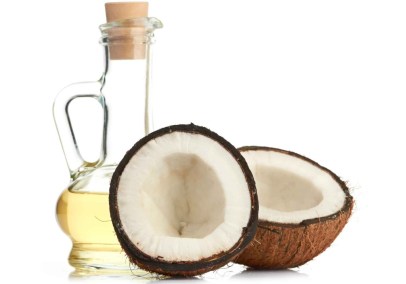
I’ve got a lovely bunch of… Coconut oil…

Coconut oil – it’s all the buzz right? Everyone is always saying how good it is…  there are articles all over the web

about it being a super food… but it’s a saturated fat… so how can that be? Is it really that good for you? Is it actually super? I thought I’d do a little investigation and see…

coc-1024x718.jpg

But saturated fats are evil…

Coconut oil is a saturated fat – which in general we’ve been told we need to avoid right? In fact coconut oil is one of the richest sources of saturated fats, with almost 90% of the fatty acids in it being saturated. But recent studies have actually suggested that saturated fats aren’t as bad as they were once thought to be – a study in the American Journal of Clinical Nutrition which involved over 11,000 participants found no significant link between increased consumption of saturated fats and heart disease. More research is needed but that’s a good start. So you don’t need to be quite as scared of saturated fats as we once were.

At any rate coconut oil specifically is a pretty special kind of saturated fat because it contains medium chain triglycerides. Most fatty acids in foods high in saturated fats like cheese or steak etc are long-chain fatty acids. The medium-chain fatty acids are metabolised differently to long-chain ones. They are removed from the digestive tract and processed by the liver and used as a quick energy source, or converted into ketone bodies. This means there is less chance for them to be stored as fat in the body and are a great energy boost. There is also evidence that these ketone bodies may help in the treatment of epilepsy and Alzheimer’s (more on that later).

Anthropological studies of some populations of people who consume high quantities of coconut and coconut fat have found little or no evidence of heart disease and strokes e.g. South Pacific communities such as the Tokelauans and Kitavans (American Journal of Clinical Nutrition and Journal of International Medicine). These populations eat over 60% of their calories from coconuts and are the biggest consumers of saturated fats in the world, yet show very low rates of cardiovascular disease. That is further evidence that coconut oil isn’t all bad.

Energy Boost…

Medium-chain fatty acids are not only metabolised differently but can actually impact positively on energy expenditure. Studies have shown that medium-chain triglycerides from coconut oil can increase energy expenditure compared to the same amount of calories from long-chain fatty acids (American Journal of Clinical Nutrition). In one other study (European Journal of Clinical Nutrition) just 15 – 30g of medium-chain triglycerides per day increased overall energy expenditure by 5%.

Anti-bacterial…

Fifty percent of the fatty acids in coconut oil is a fatty acid called Lauric Acid. This gets broken down in to a monoglyceride called monolaurin. Both lauric acid and monolaurin can kill bacteria, viruses and fungi (journal of Antimicrobial Agents and Chemotherapy) and studies have shown in particular that they can kill Staphlococcus Aureus (a very serious pathogen for humans – Journal of Bacteriology) and Candida Albicans – a common source of yeast infections in humans (Journal of Medicinal Food). There’s also some evidence that they can help in the treatment of acne (Journal of Investigative Dermatology)– but so far these are only in-vitro experiments so more research is needed, so don’t go coating your face in it just yet!

Cholesterol…

Lauric acid does however increase the levels of cholesterol in the blood more than any other fatty acid.. oh oh… that doesn’t sound good though right?

Well luckily most of the increase is in high-density lipoprotein (HDL or the “good” blood cholesterol”) – which is what we want.  HDL’s are good because they remove excess cholesterol from the tissues and transport it to the liver. Here it’s converted in to bile salts which are then used by the digestive system to break down fats. LDL’s do the opposite – they transport cholesterol to tissues to be used to create cell membranes etc which is also great, until there are more LDL’s than the tissues need… which is when they start to dump cholesterol in the arteries resulting in reduced build up of fat in the artery walls. So HDL’s can prevent and even reduce atherosclerosis which means less risk of heart disease, strokes and other vascular diseases. Whoop whoop! As a result lauric acid has been characterised as having “a more favourable effect on total HDL cholesterol than any other fatty acid, either saturated or unsaturated” (American Journal of Clinical Nutrition). Much more research needs to be done but it’s certainly promising.

Feeling hungry?

Studies have also shown that coconut oil may reduce hunger, due to the medium-chain fatty acids it contains and the way they are metabolised (Journal of Obesity). Another study found that those eating more medium-chain fatty acids ate fewer calories overall each day, and those eating them for breakfast ate less at lunch (International Journal of Obesity and Related Metabolic Disorders and American Journal of Clinical Nutrition). These studies were short and with limited participants but if the effect were to last over the long term then it could have a significant influence on body weight and managing weight gain. So pop a little coconut oil in your morning smoothie to help curb those cravings.

Insides out…

It’s not just good for your insides, it’s good for your outsides too! It’s proven to help moisturise and increase the lipid content of dry skin (Journal of Dermatitis). It can also protect hair and skin from damage from the sun’s UV rays – blocking about 20% of the UV (Journal of Cosmetic Science). So do look out for skin and hair products which contain coconut oil. There’s also evidence that it can help prevent bad breath and improve dental health if used like a mouthwash (Indian Journal of Dental Research). Although swishing out your mouth with coconut oil doesn’t sound very pleasant, it could be used in addition to normal dental care routines.

coconut-oil-e1426715704697

Epilepsy and Alzheimer’s…

As I mentioned earlier, the ketone bodies produced from eating coconut oil might help in treating epilepsy and Alzheimer’s. For those with drug-resistant epilepsy a very low carbohydrate, high fat diet is often prescribed. This leads to high concentrations of ketone bodies in the blood which is linked to a vastly reduced rate of seizures in these patients. Because the fatty acids in coconut oil are rapidly turned into ketone bodies it is often used in such cases (Journal of Nutrition, and Journal of Epilepsia).

Alzheimer’s is a disease of the brain in which there appears to be a reduced ability for certain parts of the brain to use glucose for energy. There has been speculation that ketones might be able to be used as an alternative energy source for these malfunctioning brain cells, therefore reducing the symptoms (BMC Neuroscience). A study conducted in 2006 (Neurobiology of Ageing)  showed that consumption of medium-chain triglycerides immediately improved brain function in patients with milder forms of Alzheimer’s. Other studies have supported these findings and there are many studies now looking in to medium-chain triglycerides as potential treatments for Alzheimer’s disease (Nutrition and Metabolism, and Neurotherapeutics).

Waist shrinkage…

So coconut oil sounds pretty awesome so far right? but guess what – it gets better!

The fact that coconut oil can reduce appetite and increase fat burning means it can also help you lose weight. Specifically it seems like it may be effective at helping to reduce abdominal fat – fat which lodges in the abdominal cavity and around the internal organs. Waist circumference has been used as a good general marker for the amount of fat in the abdominal cavity. Accumulation of this type of fat has been linked to heart disease and strokes.  A study in the journal Lipids studied obese women who had a predominance of fat in the abdomen. This was a blind study – half the group were given a placebo of bean oil, the other half were given 30ml of coconut oil a day, they all followed the same diet and walked 50 mins a day. All the participants lost weight and BMI over the 12 week study, but those taking the coconut oil showed a significantly larger reduction in weight and, specifically, their waist circumference dropped far more than the other group. In addition, those taking coconut oil showed reduced levels of blood cholesterol as well.  A similar study on men, found a reduction of an inch in waist circumference after only 4 weeks of supplementing with coconut oil (30ml per day) (ISRN Pharmacology). Only an inch I hear you cry? Well yes but… this was with no change in exercise or restriction of calories… just the addition of coconut oil!

Now don’t get too excited and think that this means you can skip your gym session, stuff your face with chocolate and have a spoonful of coconut oil and your waist will disappear… sadly that’s not the case. What this means is that it would be a great idea to switch your current cooking oil to coconut oil, or pop a little in your pre-workout shake  and continue with your workouts and sensible eating, and you will be simply boosting your efforts.

Super duper miracle food… or…

After reading all that, you could be forgiven for thinking – well Nancy you’ve just confirmed that coconut oil is indeed the super duper miracle food we’ve all read about on the internet… and well yes it is pretty cool… but it’s not perfect. When it comes to essential fatty acids coconut oil is pretty rubbish. It contains only small amounts of linoleic acid (omega-6) and zero linolenic acids (omega 3) – which we need! Of course no oil is perfect – olive oil also has little omega-3’s and is unstable at even moderate cooking temperatures, rapeseed (canola) oil is a partially oxidised oil (which means it’s rancid) which is linked to inflammation in the body. Palm oil isn’t great either – it’s a great vitamin A and other antioxidant source (but only in it’s natural unprocessed form), but it’s a highly saturated fat and is linked to insulin resistance and heart disease, and it’s production destroys thousands  of acres of rainforest every year – so that’s not good…

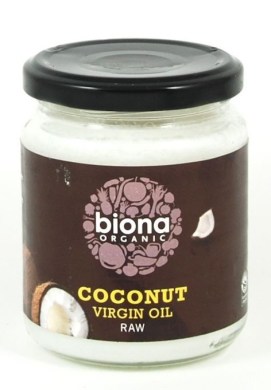
So what does this mean? It means that coconut oil is NOT a superfood, but it’s also not terrible either. It’s a great thing to include as part of a varied diet. If you’re going to use it go for the Virgin Coconut oil and have a teaspoon in your shake, use it to make some yummy brownies, use it when you do a stir fry etc.. but if you’re having a salad then use a little olive or macadamia oil, throw some nuts in or add some flax seed or avocado. And don’t just shove spoonfuls of coconut oil in because you think it will do you good – it’s still calories! So the take home message it – mix it up. Variety is the spice of life!

Nancy 🙂

xx

virgin-coconut-oil-e1426715804966


(This article was originally published on pureformfitness.co.uk)

Tuesday Tip

Tuesday tip: Calories Count

Tuesday Tip: Calories Count 📝

There’s so much info out there about what you ‘need’ to do to lose weight. Across all the fad diets, magic pills, super shakes and eating strategies only one method stands the test of time. It’s not trendy or marketable, has no fancy name, but it’s the core of why these diets work; energy management (calories in vs out).

All these diets appear very different on the surface; Low carb, paleo, Atkins, 5:2, bodycoach, slimming world, weight watchers etc all ultimately function on these principles. They restrict calories indirectly, giving you a list of foods that make it improbable you’ll be in a calorie surplus. Although you’re not counting calories, you’re often restricting them; cut carbs- you’re likely to end up cutting calories; follow a ‘syns’ or points system – you’ll cut calories; go paleo – you’ll be cutting food groups and calories.

If you manage your calorie intake to create a deficit, you WILL lose weight. This is supported by hundreds of scientific studies. It’s not coincidence or magic. Yes there are different ways of doing this – and yes there are things that influence how easy or hard it is to create that deficit eg hormonal differences impact on how food is digested and utilised, metabolic adaptations to training and dieting make accurately estimating energy requirements and expenditure difficult, and there are errors in both how we log the food we eat and the databases of calorie values we use. BUT that doesn’t change the fact that if you consume less energy than you expend – you will lose weight!

Does this mean you have to count and track calories? No, not if you don’t want to, but of all the methods out there it’s got the best chance of helping you understand what your energy requirements are and how much you need to consume. You can still do any diet that works for you, and choose to log or not log your calories – but when weight loss stalls it’s a great place to start. It’s still an approximation, and although you need to do some experimentation to find the perfect balance, it’s a verified way to approach your goals.

Happy Tuesday 🤗 xx

Recipes

Green Goodness Protein Smoothie

Starting today with this delicious, fully loaded, green glass of wonderfulness!

IMG_1227

If you’re worried about the kale and spinach – don’t be – you can’t really taste them. They just give the smoothie a lovely freshness and of course are packed full of fab nutrients.

I made up a batch of smoothie to last a couple of days so this will serve 2 – 4.

You will need:

3 bananas

2 cups of Almond/Soya milk

4 Tbsp Vanilla protein powder (I use About time vegan protein powder)

generous handful of Spinach

generous handful of Kale

handful raw Cashews

1 Tbsp Cashew butter (just to add a little extra creaminess but you could just add more cashews)

1 cup Ice

Optional – a drizzle of coconut syrup if you need it

Blend in a high speed blender and serve!

IMG_1228

Articles, Fitness and Exercise

Exercise myths that might be holding you back

There’s so much advice out there about weight loss and exercise that it can be hard to separate the fact from fiction. So often I overhear participants talking about various exercise tips which are nothing but myths. So here are ten of the most common myths I hear that you shouldn’t believe.

#1 – Lots of steady state cardio will help you lose weight

When you’re trying to lose weight it’s far too easy to get sucked in to a pattern of stead-state cardio overload. You’ re loving your spin classes and long runs on the treadmill, some days you even mix it up with a bit of elliptical trainer work. You’re fitting in 5 sessions a week – with all that cardio surely you’re burning fat and losing weight… but your body shape isn’t changing and you’re not losing weight… sound familiar?

The problem with all that cardio is that it doesn’t really do much in terms of increasing fat burning, and can actually end up causing you to gain weight because it can make you very hungry afterwards leading to overeating after your sessions. Now I’m not saying all cardio is bad – obviously it isn’t, but it’s about balance. Aim for 2 – 3 cardio sessions a week, and then in the other two introduce some resistance work – weights in the gym, bodypump etc. When you do your cardio sessions make sure you’re including some high intensity interval work – which is a great way to burn fat.

This links in to the myth of the fat-burning zone – now whilst it’s true that exercising at 60-70% of your maximum heart rate will burn a higher percentage of fat calories, you burn fewer calories overall. That’s not to say it’s not good to include this in to your workout but setting the treadmill on 5 miles per hour and jogging for 45 minutes every day for months  is not going to do very much to change how your body looks. If it’s the only thing you’re doing you’re going to find you plateau and don’t see results.

So mix it up!

#2 Lifting heavy weights will make you bulk

I hear this so much, mostly from women! – “I don’t want to lift weights because I just want to get toned, not all muscly and big”… Well good news – you’re not going to get bulky. For women particularly it’s extremely hard to get bulky and build big chunky muscles. Women have too much oestrogen and not enough testosterone to build really large muscles. Even for men it’s not that easy to build big muscles! Of course, by lifting heavier weights in the gym or your pump class you’re going to build muscle and strength but you’re unlikely to be lifting anything heavy enough to make you look like a body builder and ladies – you’re certainly not going to get chunky – look at me – I lift big weights and I’m not massive! So chill. The truth is that by building your muscles you’re actually going to burn more calories and increase your metabolic rate, even when you’re just sitting at your desk, or watching tv –  win win!

photos.demandstudios.com-getty-article-110-195-78424651_XS.jpg

#3 Lots of abdominal exercises will give you a flat belly

Sadly it won’t. Yes doing abdominal exercises will strengthen the muscles of your core which means they’ll be toned, but if they’re still under a layer of fat you won’t see them. Abs are made in the kitchen – not from doing lots of sit-ups. Yes you need to strengthen those muscles so they look good when you do lose the fat, but you need a diet low in refined carbohydrates and full of lean proteins, healthy fats, and lots of vegetables, on top of a fat-burning resistance and cardio workouts.

#4 Your weight loss can plateau in only a few weeks

I often hear people talking about how they’ve been doing their new exercise/diet plan for a few weeks and have started to plateau… they feel low, they’re demotivated and they think that’s it and they may as well give up… Well good news – hope is not lost! A study has found that it takes about 6 months for an individual to reach a weight loss plateau (Journal of the American Dietetic Association). I can certainly relate to this – it took me about 6 months too. So if you are only a few weeks in to your new regime and your weight loss has slowed, then it’s probably time to re-check your diet, as you won’t have hit a plateau with your exercise. It’s more likely that increased activity is making you hungry and you may not be eating the right things (i.e. not enough protein or slow-release carbs).

#5 Doing lots of squats will give you a bigger butt

Squatting is not going to give you a big butt – sitting on it, on the sofa and not working out will! Squats are still awesome though. What squats will do is strengthen your glutes which means your butt will appear to be lifted, and will be firmer and stronger. Make sure you’re squatting properly – sitting back like you’re sitting into a chair and then squeeze your butt as you rise back up to standing.

I_love_squats_carpys__64827.1407521306.1280.1280-1024x1024

#6 Working out on an empty stomach burns more fat

Lots of people think that if you work out first thing in the morning before you eat that your body will have to use its fat reserves to fuel itself. Sadly this isn’t quite the case. In actual fact studies have shown that you need some glucose in your bloodstream in order to kick the body in to fat-burning. If you run out of glucose you start burning muscle. So always have something before you workout. For me a protein shake does the trick – I can have half before I do my workout and half after – it’s light, easy to digest and packed full of what you need to get the body going and burning fat (check out the recipes here and here).

#7 You can target trouble spots

This is probably the most common thing I hear from participants. They just want to lose a bit on their inner thighs, or stomachs or wherever… don’t we all! 🙂 Unfortunately it’s all down to genetics – the body burns fat from different areas preferentially in different people, regardless of the exercises you are doing. So for some the belly fat will be last to go, for others it’s butt or thighs and doing lots of sit-ups, or squats isn’t going to change that. However, as I’ve said before, targetting those muscles so that they are toned beneath the fat means that when you do lose it you will be looking awesome. Focus on whole body workouts and a protein packed, low refined carbs diet to lose overall body fat.

#8 Doing core work first builds better abs

Strengthening and working the core is really important and something everyone should do, but heading straight for the abs mat and bashing out a load of crunches, planks etc is not doing as much good as you probably think it is. It’s vital to remember that your core muscles are working in every single standing strength exercise that you do. So that includes squats, lunges, shoulder presses, even bicep curls and you’ll be recruiting your core during these exercises to enable you to balance. So if you’ve already worked your core and they’re fatigued you’re likely to perform these exercises less well which will affect your progress at best, but could cause serious injury at worst. It’s better to do your ab work last, that way you can maintain a strong core for the rest of your work out, and it means you can reduce the time spent doing just ab work at the end. Of course this only works if you really focus on actively engaging your core during those other exercises – so draw that belly button back to your spine the whole time and hold that belly tight.

#9 Isolation exercise overload is the way to build strength

It’s really easy to get into the habit of focusing on specific exercises for specific muscles – so heading up to the gym and doing three tricep exercises, then three bicep exercises, then three hamstring exercises and three quad moves etc etc. There’s nothing wrong with that, and if you have specific goals and want to build certain muscles then that’s cool. But if you’re looking for overall strength and fitness then the majority of your workout should involve compound exercises like squats, deadlifts, shoulder presses, chest presses etc These work more than one muscle at once and will deliver much better results. Chat to the PT’s at your gym if you need some advice on specifics or grab Colette or I in class or on facebook if you want to know more.

#10 Who needs rest?! More workouts equals better results

Ok ok, I know – pot, kettle, black…. but I’m very aware of the problems of not enough rest! One of the biggest mistakes people make is too much exercise. You’re loving the workouts – you’re hitting the gym every day, sometimes twice or three times a day and it’s all the same sort of stuff…. you’re going to find you either stop seeing results and/or you burn out. Remember your body needs time to rest and recover and it’s during the rest time that your body builds new muscle tissue to make you stronger. If you don’t rest your progress will slow. Aim for one day off a week at least, and ensure a couple of your sessions are lower intensity. For the average gym-goer wanting to lose some weight and get fit a good aim is 2 – 3 cardio based sessions, 2 strength sessions, 1 – 2 stretch/”relax” based sessions (e.g.  body balance, stretch, yoga etc).

FullSizeRender-1

So there you go – ten myths busted! Did you buy in to any of these – I think we all have at some point. If so, it’s no biggie, just change what you’re doing and you’ll see the benefits.

Nancy 🙂

xx

(This article was originally posted on pureformfitness.co.uk)